
Category: Asthma

  • Managing Summer Texas Heat with Asthma

    Managing Summer Texas Heat with Asthma

    As the summer sun blazes over Dallas, Texas, temperatures climb, and the heat can become relentless. For many, this is just another part of the North Texas experience, but for those with asthma, the intense heat can present unique challenges. Managing asthma in such conditions requires careful planning and awareness. Texas Allergy Center center offers tips to help you navigate the North Texas summer while controlling your asthma.

    Understanding the Impact of Heat on Asthma

    Asthma is a chronic condition that affects the airways, causing them to become inflamed and narrow, making breathing difficult. Extreme heat and humidity can exacerbate these symptoms for several reasons:

    Tips for Managing Asthma in the Texas Heat

    CONCLUSION

    Living with allergy and asthma in the Dallas, Texas, summer heat can be challenging. Still, with the right strategies and precautions, you can enjoy the season while controlling your symptoms. Stay hydrated, monitor the air quality, and be prepared to adjust your routine to protect your health. Remember to consult with Dr. Jane Lee at Texas Allergy Center to stay informed, be proactive, and take control of your allergies and asthma this summer! 214-370-5700
  • The Impact Of Rain On Allergies And Asthma

    The Impact Of Rain On Allergies And Asthma

    Rain is often a refreshing break from the Dallas, Texas heat, a cleanser of the air, and a nurturer of our environment. However, the arrival of rain can also signal the onset of allergy and asthma symptoms. Understanding how rain impacts these conditions can help those affected manage their symptoms more effectively. While it might seem counterintuitive, rain can alleviate and exacerbate allergy symptoms.

    Pollen Count and Distribution

    Rain can initially help reduce pollen counts by washing pollen out of the air, providing temporary relief for allergy and asthma sufferers. However, pollen can become more problematic after rain. Rain can cause pollen grains to burst into smaller particles, making them more easily inhaled and increasing their potential to cause allergic reactions.


    Mold Growth

    Rain increases moisture levels, creating ideal conditions for mold growth. Mold spores are a common allergen, and increased mold can lead to heightened allergy symptoms.

    Asthma, a chronic respiratory condition, can also be influenced by rainy weather.

    High humidity levels, often associated with rain, can make the air feel heavier and more difficult to breathe, aggravating asthma symptoms.

    Rain can initially clean the air of pollutants and allergens. Still, as it dries, the subsequent rise in humidity can trap these particles close to the ground, negatively impacting air quality and making breathing more difficult for asthmatics.

    Managing Symptoms

    Preparing for rainy weather can help mitigate symptoms for those with allergies and asthma.

    Here are some tips:

    Rain can initially clean the air of pollutants and allergens. Still, as it dries, the subsequent rise in humidity can trap these particles close to the ground, negatively impacting air quality and making breathing more difficult for asthmatics.

    While rain can temporarily relieve symptoms by cleansing the air of pollutants and pollen, it can also trigger allergy and asthma symptoms due to increased pollen dispersal, mold growth, and humidity and air quality changes. Understanding these dynamics is crucial for managing symptoms effectively. By staying informed and prepared, those affected by allergies and asthma can enjoy rainy days with minimal discomfort.
    Remember to consult with Dr. Jane Lee at Texas Allergy Center to stay informed, be proactive, and take control of your allergies and asthma during rainy seasons! 214-370-5700
  • Texas Allergy Center Tips for Spring Travel

    Texas Allergy Center Tips for Spring Travel

    Whether exploring destinations near or away from home, traveling during springtime can be challenging for those with allergies. Here are some tips to help you manage spring allergies during spring trips so you can make the most of your trip without the sniffles and sneezes.
    Research Your Destination
    Before you travel, research the pollen levels and common allergens for the local area you’ll be visiting. This information can help you prepare and pack accordingly.
    Pack Smart

    Pack any necessary allergy medications in your carry-on luggage, such as antihistamines or nasal sprays. This way, you’ll have them readily available during your journey.

    Plan Outdoor Activities Wisely
    If you know you’re allergic to certain pollens, plan outdoor activities when pollen counts are lower, such as early morning or late afternoon.
    Use Allergy-Proof Products
    To minimize exposure to allergens in your accommodation, consider using allergy-proof products, such as pillowcases and mattress covers.
    Stay Hydrated

    Staying hydrated can help thin mucus secretions and reduce congestion, which can help manage allergy symptoms.

    Avoid Certain Foods
    Some foods, such as certain fruits and vegetables, can worsen pollen allergies due to cross-reactivity. Avoiding these foods may help alleviate symptoms.
    Keep Windows Closed
    While opening windows to let in fresh air may be tempting, it can also let in pollen. Keep windows closed and use air conditioning instead.
    Consider Allergy Shots
    If you frequently travel during allergy season, consider allergy shots (immunotherapy) to help reduce your sensitivity to allergens.
    Consult Doctor Jane Lee
    If you’re planning a trip and have concerns about your allergies, consult with us to be prepared. We’ll offer personalized advice and recommend appropriate medications.
    Be Prepared for Emergencies
    Ensure you know how to access medical care at your destination in case of a severe allergic reaction.
    spring break allergy asthma dr. jane lee
    By taking these precautions and proactively managing your allergies, you can enjoy your travels during springtime and make the most of your break. If you’re unsure and have questions, call today to schedule an appointment at Texas Allergy Center with Dr. Jane Lee for a proper diagnosis and personalized treatment options. Stay informed, be proactive, and take control of your allergies and asthma! 214-370-5700
  • Texas Allergy And Asthma Care Managing Seasonal Allergies and Asthma in Spring

    Texas Allergy And Asthma Care Managing Seasonal Allergies and Asthma in Spring

    Spring is a beautiful season marked by blooming flowers, budding trees, and warmer weather. However, for many people, spring also brings seasonal allergies and worsened asthma symptoms. Understanding these conditions and knowing how to manage them can help you enjoy the season to the fullest.

    What are Seasonal Allergies?

    Seasonal allergies, also known as hay fever or allergic rhinitis, occur when your immune system overreacts to allergens in the air. In spring, the primary culprits are pollen from trees, grasses, and weeds. When you inhale pollen, your immune system releases chemicals like histamine, leading to symptoms such as:
    THE LINK BETWEEN ALLERGIES & ASTHMA
    For people with asthma, seasonal allergies can be more than just a nuisance. Allergic reactions can trigger asthma symptoms, leading to coughing, wheezing, shortness of breath, and chest tightness. This is known as allergic asthma, and it affects many asthma sufferers, particularly in the spring.
    Tips For Managing Seasonal Allergies and Asthma in Spring
    spring allergy asthma dallas dr jane lee
    Spring is a beautiful time of year, but it can be challenging for those with seasonal allergies and asthma. By understanding your triggers and following a comprehensive management plan, you can minimize the impact of these conditions and enjoy the season safely. If you’re unsure about how to manage your allergies or asthma, don’t hesitate to schedule an appointment with Dr Jane Lee at Texas Allergy Center for proper diagnosis and personalized treatment options. Stay informed, be proactive, and take control of your allergies and asthma for a more comfortable spring season! 214-370-5700
  • MOUNTAIN CEDAR WINTER ALLERGIES

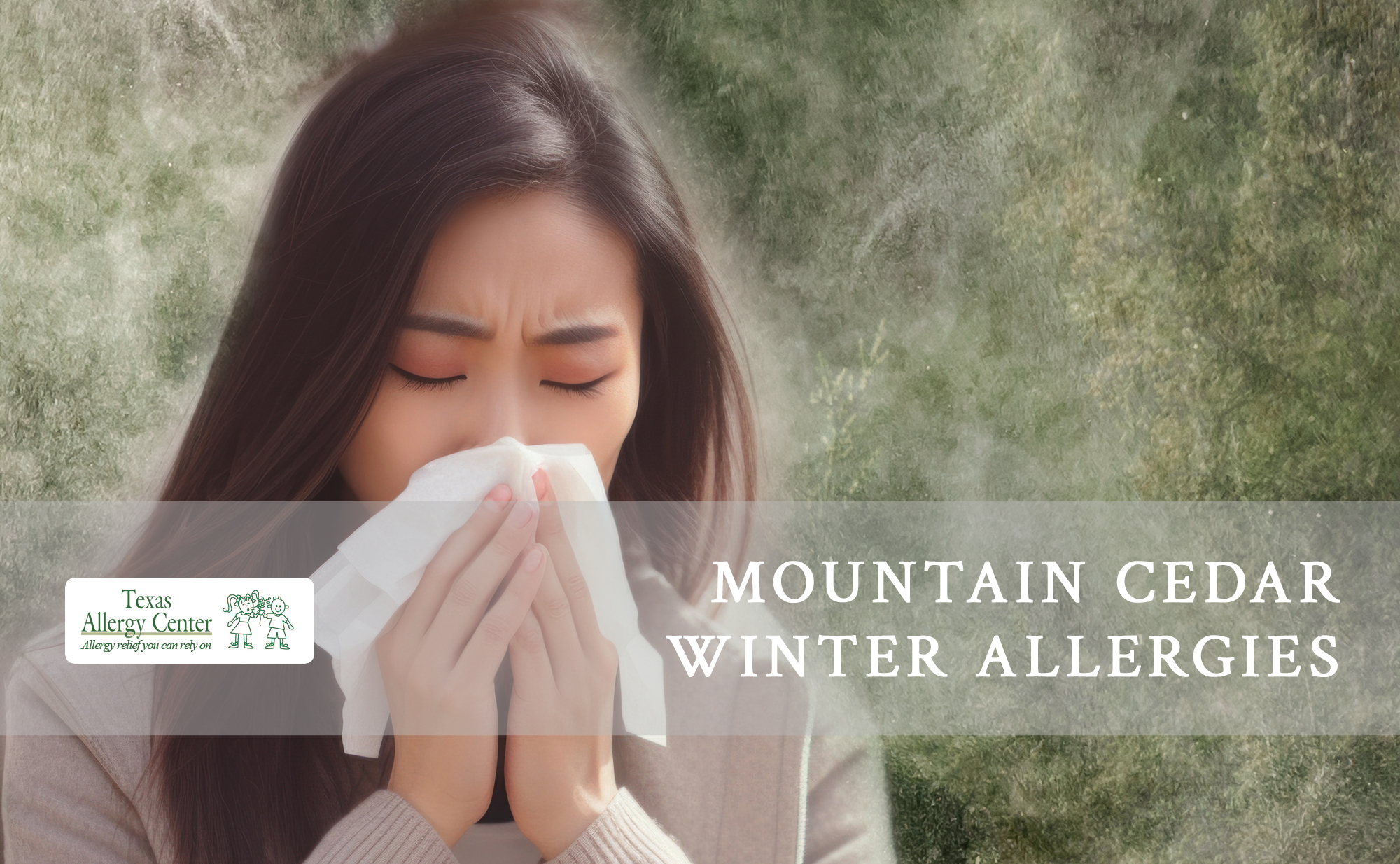
    MOUNTAIN CEDAR WINTER ALLERGIES

    As the winter season lingers in North Texas, so do the effects of mountain cedar, a notorious trigger for allergies in certain regions. Sneezing, coughing, and itchy eyes are unpleasant symptoms many people experience during this time. During the winter, the trees release large amounts of pollen into the air, leading to allergic reactions in susceptible individuals.
    Cedar Allergy Season

    Cedar allergy season starts in late November, goes through February, and typically peaks in mid-January.

    Texas Cedar PolleN

    Up to 20% of Texans suffer from cedar pollen allergies.

    AMOUNTS OF POLLEN

    The plants produce enormous amounts of pollen, which can make people who are allergic feel miserable.

    When exposed to mountain cedar pollen, individuals with allergies may experience a variety of symptoms, including:
    Some over-the-counter antihistamines, nasal corticosteroids, and decongestants can temporarily relieve symptoms. For individuals with severe or persistent allergies, allergen immunotherapy (allergy shots) or sublingual immunotherapy (under-the-tongue tablets or drops) can help desensitize the body to mountain cedar pollen over time, reducing the severity of allergic reactions. If you don’t get the relief you need from over-the-counter remedies, including nasal steroids, eye drops, antihistamines, or salt-water rinses for the nose, then it’s time to see Dr. Jane Lee at Texas Allergy Center!
    Mountain cedar allergies can be an unpleasant and disruptive experience for many individuals during the North Texas winter season. By understanding the causes, recognizing the symptoms, and employing effective management strategies, you can minimize the impact of mountain cedar allergies on your daily life. Remember to consult with Dr. Jane Lee at Texas Allergy Center for proper diagnosis and personalized treatment options. Stay informed, be proactive, and take control of your allergies for a more comfortable winter season! 214-370-5700
  • Asthma Medications

    Asthma Medications

    Since inflammation of the airways is the key feature of asthma,anti-inflammatory medications are the mainstay of asthma therapy. Mild-intermittent asthmatics do not have a significant degree of inflammation so do not need a daily anti-inflammatory medication. However, mild, moderate and severe-persistent asthmatics do have airway inflammation that needs to be treated with a daily anti-inflammatory medication.

    Medication Categories

    Anti-inflammatory Agents: Inhaled Steroids:(Flovent, Advair, Pulmicort, Azmacort, QVAR, Beclovent and Aerobid) The most important anti-inflammatory medications for asthma. Decreases the swelling within the airways and can prevent scarring. Have been shown to significantly improve symptoms, decrease hospitalizations and mortality from asthma. If taken at standard doses, they have not shown to suppress long-term growth in children or many of the other side effects of oral steroids.

    Leukotriene Modifiers:(Singulair, Accolate and Zyflo) Leukotrienes are substances in the body contributing to airway inflammation and constriction. This medication class inhibits the action of the leukotrienes and can improve asthma symptoms.

    Oral Steroids: Very effective in decreasing air inflammation, but have many side effects if taken over long periods of time. Only the most severe asthmatics need chronic oral steroids. Many asthmatics need short bursts of oral steroids during asthma exacerbations.

    Other less commonly used anti-inflammatory medications for asthma are mast-cell stabilizers (Intal, Tilade) and theophylline.

    Bronchodilators: Long-acting bronchodialators:(Serevent and Foradil)Relax the muscles around the airways, opening them up for a 12-hour period. Since they do not have significant anti-inflammatory properties, they should not be used alone in the treatment of asthma. However, they work well in conjunction with inhaled steroids. They should be taken twice daily, every day.

    Short-acting bronchodialators or rescue inhalers: (*Albuterol, Proventil, *Xopenex, Ventolin, Maxair, Combivent and Atrovent) *Can be used via the nebulizer. Relax the muscles around the airways, opening them up for a 4-6 hour period. They take effect very quickly (within 5 minutes), which makes them important rescue medications. Every asthmatic should have one of these medications in case of coughing, wheezing, chest tightness or shortness of breath. If you require this medication more than twice per week on average (with the exception of using prior to exercise) you need to add or increase your anti-inflammatory medication.

    *Disclaimer: Results May Vary

  • Asthma Treatment

    Allergen Avoidance
    (Dust mites and animal dander avoidance
    are especially important)

    Medications

    Immunotherapy (allergy shots)

  • Asthma Causes

    Causes of Asthma

    1. HereditaryChildren who have one asthmatic parent have a 40% chance of inheriting asthma. Those who have 2 asthmatic parents have a 70% chance of developing asthma.
    2. Allergens
    Age of OnsetAllergens contribute
    to airway inflammation
    2-6> 90%
    6-30> 70%
    > 3050%

    Factors that worsen asthma:

    1. Allergen exposure
    2. Infections (colds/viral infections, bronchitis, sinusitis)
    3. Gastro-esophageal reflux (indigestion)
    4. Irritants (smoke, pollution, chemicals)
    5. Some medications (Aspirin or NSAIDS in a small percentage, Beta-blockers)
    6. Obesity – Losing weight significantly improves asthma
  • Asthma Basics

    Inflammation of the airways and spasm of the muscles around the airways (bronchospasm) lead to asthma symptoms:

    • Wheezing
    • Coughing
    • Shortness of breath
    • Chest tightness

    Many asthmatics experience all of these symptoms whereas others experience only one or two. If inflammation is left untreated, “airway remodeling” or scarring of the airways can occur, leading to irreversible damage.

    Airway Diagrams

    Normal imageMild imgModerate imageSevere image

    Levels of Severity:

    1. Mild-Intermittent:
      • Daytime symptoms occuring less than twice per week.
      • Nocturnal awakening from asthma (typically between
        3:00 a.m. and 5:00 a.m.) less than twice per month

    2. Mild-persistent:
      • Daytime symptoms twice per week.
      • Nocturnal symptoms 2 – 4 times per month

    3. Moderate-persistent:
      • Daytime symptoms daily.
      • Nocturnal symptoms more than 5 times per month

    4. Severe-persistent:
      • Continuous symptoms

    Asthma is a very common condition, affecting up to 10% of the population. Over the past few decades the incidence of asthma
    has been rising.