Author: admin

  • Insect Bites and Fire Ant Stings

    Insect Bites and Fire Ant Stings

    As temperatures rise during the summer, so does the risk of encountering insect bites and stings, particularly from fire ants. For individuals with allergies and asthma, these encounters can lead to severe reactions that may require immediate medical attention. Education on the risks associated with insect bites and fire ant stings is essential, especially for those with a history of allergies or asthma.

    Fire ant bites are common during the summer, and their venom can trigger allergic reactions in some individuals. When a fire ant bites, it injects venom that can cause pain, swelling, redness, and itching at the bite site. For those with allergies, a fire ant sting can lead to a more serious reaction, such as anaphylaxis. Anaphylaxis is a severe, life-threatening allergic reaction that requires immediate treatment with epinephrine.

    Individuals with a history of allergies and asthma are at a higher risk of experiencing allergic reactions to insect bites and stings. Asthma can further complicate the situation by causing respiratory symptoms, such as wheezing and difficulty breathing, in response to the venom. Therefore, individuals with allergies and asthma must take precautions outdoors to avoid insect bites.

    At Texas Allergy Center, we emphasize recognizing the signs of allergic reactions to insect bites and fire ant stings. Symptoms of an allergic reaction, such as hives, swelling of the face or throat, difficulty breathing, dizziness, and a rapid heartbeat, should not be ignored. If symptoms occur after an insect bite or sting, remember that seeking medical attention immediately is the best way to ensure your safety and well-being.

    VENOM ALLERGIES

    It is important to note that venom allergies can be accurately diagnosed and effectively managed at our allergy clinic. Our experienced allergists can perform diagnostic tests to identify specific venom allergies and develop personalized treatment plans, including prescribing epinephrine auto-injectors for individuals at risk of severe allergic reactions. This knowledge and support can empower you to manage your allergies and confidently enjoy the outdoors.

    In conclusion, with summertime activities, individuals with allergies and asthma must be aware of the risks associated with insect bites and fire ant stings. Individuals can enjoy the outdoors safely by understanding the potential for allergic reactions and taking preventive measures, such as wearing protective clothing and using insect repellent. However, it is important to remember that if you experience an allergic reaction to an insect bite or sting, seeking medical help promptly is the best course of action. This guidance can give you a sense of security and ensure your well-being. For more information or to schedule a consultation with Dr. Jane Lee, call our clinic today and schedule an appointment. 214-370-5700
  • Food Allergies in North Texas

    Food Allergies in North Texas

    Summer in Texas is a time for outdoor barbecues, picnics, and enjoying various delicious foods. However, it can also be a challenging season for individuals with food allergies. The heat, combined with the increased consumption of certain allergenic foods, makes it essential to be vigilant. Here are some strategies to help you manage summer food allergies in Texas.

    Understanding Food Allergies

    A food allergy occurs when the immune system mistakenly identifies a harmless food protein as a threat and launches an attack, resulting in symptoms ranging from mild (itching, hives) to severe (anaphylaxis). Common food allergens include peanuts, tree nuts, shellfish, fish, milk, eggs, soy, and wheat.

    Recognizing the common Symptoms of Food Allergies

    Food allergy symptoms can appear within minutes to a few hours after consuming the allergen and may include:
    • Itching or tingling in the mouth
    • Hives, itching, or eczema
    • Swelling of the lips, face, tongue, throat, or other body parts
    • Wheezing, nasal congestion, or trouble breathing
    • Abdominal pain, diarrhea, nausea, or vomiting
    • Dizziness, lightheadedness, or fainting
    • Anaphylaxis is a severe, life-threatening reaction

    Managing Food Allergies in Summer

    Read Labels Carefully:
    • Always check ingredient labels on packaged foods for allergens.
    • Be aware of cross-contamination warnings such as “may contain” or “processed in a facility that also processes.”

    Communicate with Hosts:
    • Inform hosts of your food allergies before attending gatherings.
    • Offer to bring allergy-safe dishes to share.

    Prepare Your Food:
    • When possible, bring your allergy-safe meals and snacks to outdoor events.
    • Use separate utensils and cooking surfaces to avoid cross-contamination.

    Stay Informed About Cross-Contact:
    • Be aware of potential cross-contact in shared grills, picnic tables, and serving utensils.
    • Clean surfaces and utensils thoroughly before use.

    Educate Others:
    • Educate friends and family about your food allergies and the importance of avoiding cross-contact.
    • Teach them to recognize the signs of an allergic reaction and use an epinephrine auto-injector.

    Carry Medications:
    • Always have your prescribed medications, including antihistamines and an epinephrine auto-injector.
    • Ensure medications are not expired and store them in a cool, dry place to prevent heat damage.

    Wear Medical Identification:
    • Consider wearing a medical alert bracelet that identifies your food allergies.

    Plan for Dining Out:
    • Research allergy-friendly restaurants in Texas.
    • Call ahead to inform the restaurant of your allergies and inquire about their food preparation practices.

    Stay Hydrated:
    • Drink plenty of water, especially in the Texas heat, to stay hydrated and reduce the risk of heat-related issues.

    Be Prepared for Emergencies:
    • Know the location of the nearest emergency medical facilities.
    • Have an action plan in place and share it with those around you.

    Food Allergy-Friendly Summer Recipes

    Here are some allergy-friendly recipe ideas for your next summer gathering:

    Grilled Veggie Skewers
    • Skewer colorful vegetables like bell peppers, zucchini, cherry tomatoes, and onions.
    • Brush with olive oil, sprinkle with salt and pepper, and grill until tender.

    Fruit Salad
    • Mix fresh, seasonal fruits like watermelon, strawberries, blueberries, and grapes.
    • Add a squeeze of lime juice and a sprinkle of fresh mint for extra flavor.

    Allergy-Free Burgers
    • Make burgers using ground turkey, chicken, or beef seasoned with salt, pepper, and garlic powder.
    • Serve on gluten-free buns with safe toppings like lettuce, tomato, and avocado.

    Dairy-Free Ice Cream
    • Blend frozen bananas with a splash of almond milk and a tablespoon of cocoa powder for a creamy, dairy-free treat.

    CONCLUSION

    Managing food allergies during the summer in Texas may require precautions, but with careful planning and communication, you can enjoy the season safely. By staying informed, educating those around you, and being prepared for any situation, you can make the most of your summer activities without compromising your health. For any concerns or if you are experiencing severe reactions, consult Dr. Jane Lee for personalized advice and treatment options. Stay safe, enjoy the delicious food, and have a wonderful Texas summer!

  • Managing Summer Texas Heat with Asthma

    Managing Summer Texas Heat with Asthma

    As the summer sun blazes over Dallas, Texas, temperatures climb, and the heat can become relentless. For many, this is just another part of the North Texas experience, but for those with asthma, the intense heat can present unique challenges. Managing asthma in such conditions requires careful planning and awareness. Texas Allergy Center center offers tips to help you navigate the North Texas summer while controlling your asthma.

    Understanding the Impact of Heat on Asthma

    Asthma is a chronic condition that affects the airways, causing them to become inflamed and narrow, making breathing difficult. Extreme heat and humidity can exacerbate these symptoms for several reasons:

    Tips for Managing Asthma in the Texas Heat

    CONCLUSION

    Living with allergy and asthma in the Dallas, Texas, summer heat can be challenging. Still, with the right strategies and precautions, you can enjoy the season while controlling your symptoms. Stay hydrated, monitor the air quality, and be prepared to adjust your routine to protect your health. Remember to consult with Dr. Jane Lee at Texas Allergy Center to stay informed, be proactive, and take control of your allergies and asthma this summer! 214-370-5700
  • The Impact Of Rain On Allergies And Asthma

    The Impact Of Rain On Allergies And Asthma

    Rain is often a refreshing break from the Dallas, Texas heat, a cleanser of the air, and a nurturer of our environment. However, the arrival of rain can also signal the onset of allergy and asthma symptoms. Understanding how rain impacts these conditions can help those affected manage their symptoms more effectively. While it might seem counterintuitive, rain can alleviate and exacerbate allergy symptoms.

    Pollen Count and Distribution

    Rain can initially help reduce pollen counts by washing pollen out of the air, providing temporary relief for allergy and asthma sufferers. However, pollen can become more problematic after rain. Rain can cause pollen grains to burst into smaller particles, making them more easily inhaled and increasing their potential to cause allergic reactions.


    Mold Growth

    Rain increases moisture levels, creating ideal conditions for mold growth. Mold spores are a common allergen, and increased mold can lead to heightened allergy symptoms.

    Asthma, a chronic respiratory condition, can also be influenced by rainy weather.

    High humidity levels, often associated with rain, can make the air feel heavier and more difficult to breathe, aggravating asthma symptoms.

    Rain can initially clean the air of pollutants and allergens. Still, as it dries, the subsequent rise in humidity can trap these particles close to the ground, negatively impacting air quality and making breathing more difficult for asthmatics.

    Managing Symptoms

    Preparing for rainy weather can help mitigate symptoms for those with allergies and asthma.

    Here are some tips:

    Rain can initially clean the air of pollutants and allergens. Still, as it dries, the subsequent rise in humidity can trap these particles close to the ground, negatively impacting air quality and making breathing more difficult for asthmatics.

    While rain can temporarily relieve symptoms by cleansing the air of pollutants and pollen, it can also trigger allergy and asthma symptoms due to increased pollen dispersal, mold growth, and humidity and air quality changes. Understanding these dynamics is crucial for managing symptoms effectively. By staying informed and prepared, those affected by allergies and asthma can enjoy rainy days with minimal discomfort.
    Remember to consult with Dr. Jane Lee at Texas Allergy Center to stay informed, be proactive, and take control of your allergies and asthma during rainy seasons! 214-370-5700
  • Understanding, Managing, and Preventing Insect Allergies

    Understanding, Managing, and Preventing Insect Allergies

    Insects are fascinating creatures but can pose a severe health risk for some. Although less common than other types of allergies, insect allergies can cause severe reactions in susceptible individuals. Understanding these allergies, their triggers, and how to manage and prevent them is crucial for those at risk.

    What Are Insect Allergies?

    Insect allergies are allergic reactions triggered by proteins in insects’ saliva, venom, or other body parts. The most common insects known to cause allergic reactions include:
    • Bees
    • Wasps
    • Hornets
    • Yellowjackets
    • Fire ants
    • Mosquitoes

    Symptoms of Insect Allergies

    For most people, insect stings or bites produce mild reactions like redness, swelling, and itching. However, the reaction can be much more severe and even life-threatening for those with insect allergies. Symptoms of an insect allergy may include:
    • Hives
    • Swelling of the face, throat, or tongue
    • Difficulty breathing
    • Wheezing
    • Dizziness
    • Nausea or vomiting
    • Anaphylaxis – a severe, potentially fatal allergic reaction that requires immediate medical attention.

    Diagnosis and Treatment

    If you suspect an insect allergy, seeing an allergist is essential for a proper diagnosis. They will take your medical history, perform a physical examination, and may conduct allergy tests, such as skin tests or blood tests, to determine your specific allergens.

    Treatment for insect allergies typically involves:
    • Avoiding insect stings or bites.
    • Carrying an epinephrine auto-injector (such as an EpiPen) if prescribed by your doctor.
    • Seeking immediate medical attention if stung.
    • Antihistamines and corticosteroids may also help manage symptoms.

    Prevention Tips

    While it may not be possible to avoid insects, especially during outdoor activities completely, there are several steps you can take to reduce your risk of insect stings or bites:
    • Wear protective clothing – When outdoors, especially in wooded or grassy areas, wear long sleeves, pants, and closed-toe shoes to minimize exposed skin.
    Avoid bright-colored clothing – Bright colors attract insects, so wearing neutral colors can help reduce the likelihood of attracting them.
    Use insect repellent – Apply insect repellent containing DEET or picaridin to exposed skin and clothing.
    Be cautious around food and drinks – Food and sugary drinks attract insects, so keep food and beverages covered outdoors.
    Stay calm and still—If an insect lands on you, stay calm and slowly move away. Swatting at insects can provoke them to sting.
    Even though insect allergies can be severe and even life-threatening, the risks are minimized with proper understanding, management, and prevention. There is immunotherapy for severe allergies to insects and stinging venoms that allows you to become desensitized. If you suspect an insect allergy, consult Dr. Jane Lee for a correct diagnosis and discuss a personalized management plan. By taking precautions and knowing how to respond in an emergency, you can enjoy the outdoors safely and confidently. Remember to schedule an appointment with Dr. Jane Lee at Texas Allergy Center, Dallas, TX, to stay informed, be proactive, and take control of your allergies for a more comfortable summer season!
    Call 214-370-5700
  • Celebrating Asthma and Allergy Awareness Month

    Celebrating Asthma and Allergy Awareness Month

    May is a time for sunny days, warmer weather, trees budding, and flowers blooming. It is also the month to raise awareness about asthma and allergies. Asthma and Allergy Awareness Month is a crucial time to educate, advocate for, and support those affected by these conditions.
    Since 1984, the Asthma and Allergy Foundation of America (AAFA) has declared May “National Asthma and Allergy Awareness Month.” Over 65 million individuals in the U.S. have allergies and asthma. Although no cure is available, allergies or asthma are managed with appropriate treatment and prevention.
    Asthma and Allergy Awareness Month is a time for the community to support, educate, and advocate for those affected by these conditions. Raising awareness and taking action can create a world where asthma and allergies are better understood and managed.
    For more information on allergies and asthma treatments, call today to schedule an appointment at Texas Allergy Center with Dr. Jane Lee for a proper diagnosis and personalized treatment options. Stay informed, be proactive, and take control of your allergies and asthma!
    Call 214-370-5700 
  • Grass Allergies

    Grass Allergies

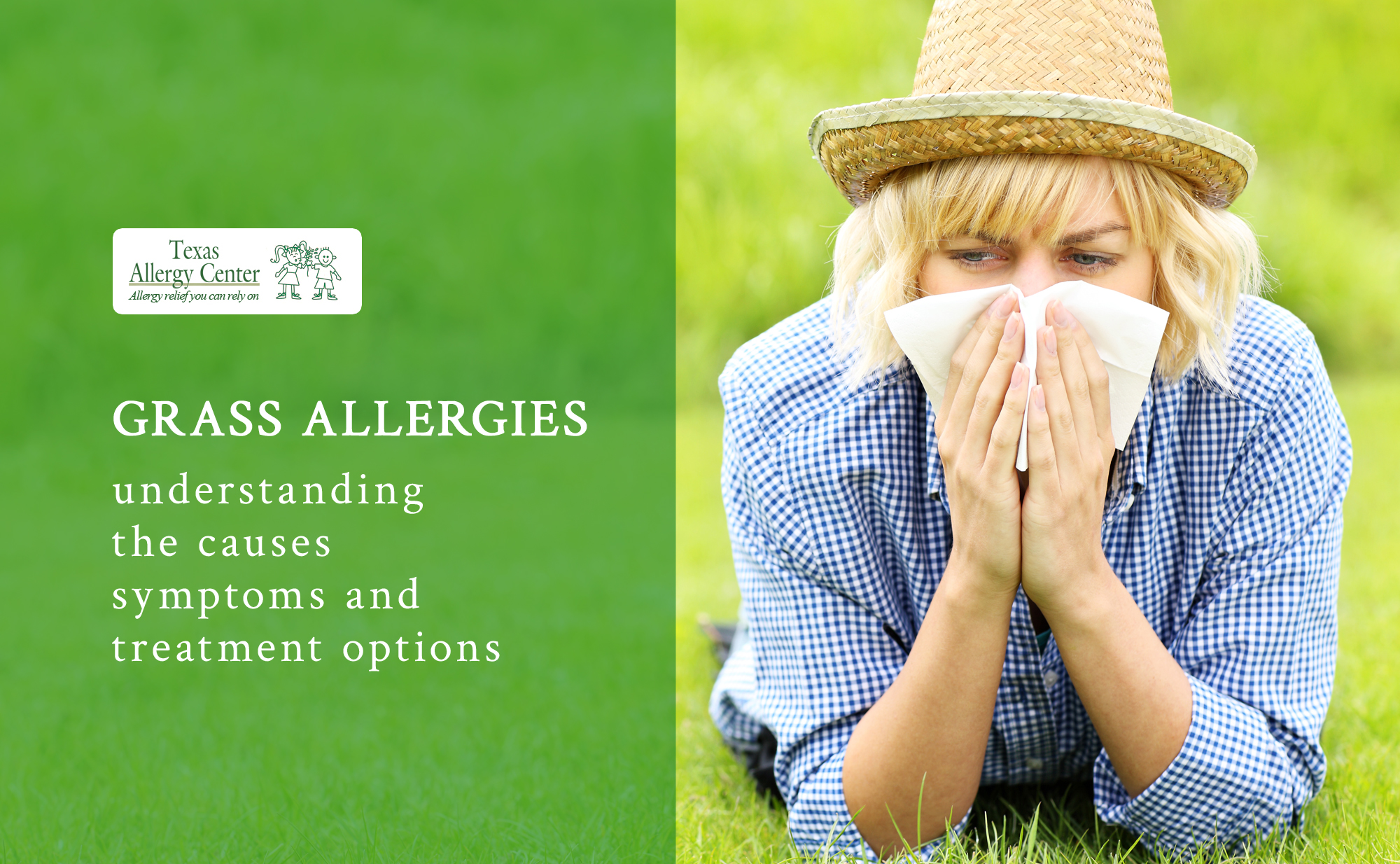
    Spring is a time of renewal, but for many, it also marks the beginning of grass allergies. The lush green lawns and meadows that bloom during this season can trigger sneezing, itching, and other bothersome symptoms in individuals sensitive to grass pollen. Understanding the causes, symptoms, and treatment options for grass allergies can help you enjoy the season to the fullest.

    What Causes Grass Allergies?

    Grass allergies are primarily triggered by pollen grains released by grasses as part of their reproductive cycle. When these pollen grains come into contact with the mucous membranes of the nose or eyes, they can trigger an allergic reaction in some individuals. Grass pollen is lightweight and can travel long distances through the air, making it easy to inhale.

    Symptoms of Grass Allergies

    The symptoms of grass allergies can vary from person to person but often include:
    These symptoms can range from mild to severe and significantly impact your quality of life, especially during the peak grass pollen season.

    Managing Grass Allergies

    While altogether avoiding grass pollen may be challenging, there are several steps you can take to manage your grass allergies and reduce your exposure to pollen:
    These symptoms can range from mild to severe and significantly impact your quality of life, especially during the peak grass pollen season.

    Treatment Options for Grass Allergies

    There are treatment options available to help alleviate the symptoms of grass allergies. It’s essential to consult with your healthcare provider or allergist to determine the best treatment plan for your grass allergies based on your symptoms and medical history.

    Managing grass allergies can be challenging and uncomfortable, especially during peak pollen season. However, with proper understanding, preventive measures, and treatment options, you can effectively manage your grass allergies and enjoy the beauty of spring without the constant itching and sneezing. If you have grass allergies, consult Dr. Jane Lee at Texas Allergy Center for a proper diagnosis and personalized treatment plan. Find relief today! 214-370-5700

  • Enjoying Outdoor Events With Allergies

    Enjoying Outdoor Events With Allergies

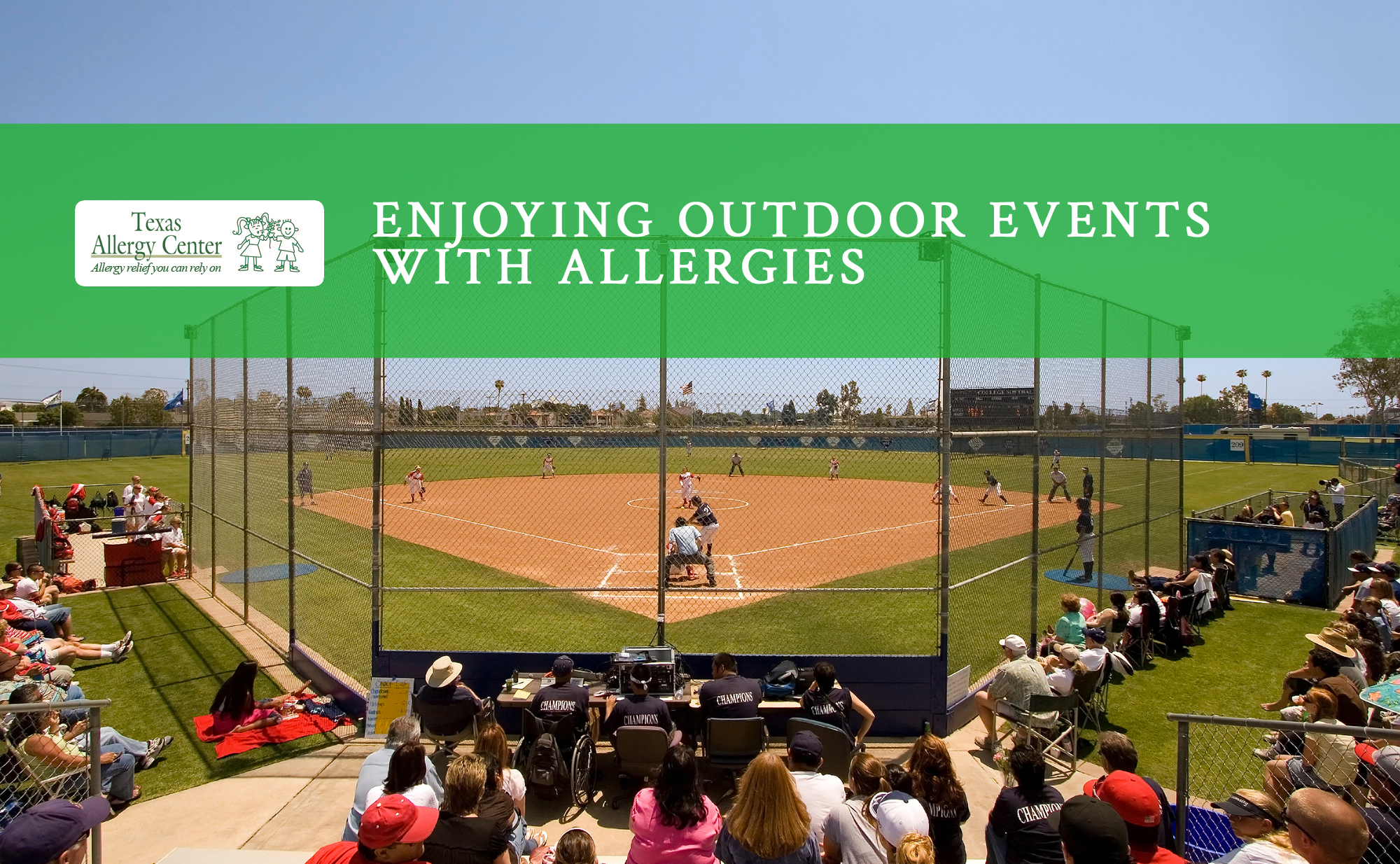
    Spring and summer bring outdoor events, from music festivals to picnics in the park. As the weather warms up and flowers bloom, many look forward to spending more time outdoors. However, these events can also have some challenges for many allergy sufferers, which may dampen their enjoyment of being outside. The pollen count rises, insects buzz around, and ground dust triggers allergic reactions. If you’re one of the millions who suffer from allergies but don’t want to miss out on the fun, we have some tips that may help you enjoy outdoor events to the fullest.

    • Check the Pollen Forecast: Before heading out, check the pollen forecast for the day and stay informed about pollen forecasts in your area. Schedule outdoor activities on days when pollen counts are lower to minimize exposure.
    • Wear Appropriate Clothing: When attending outdoor events, wear long sleeves, pants, and a hat to minimize skin exposure to pollen. Sunglasses can also help protect your eyes from pollen, or a mask to help filter out allergens. After spending time outdoors, shower and change your clothes to remove any pollen that may have settled on your body and clothing.
    • Stay Hydrated: Drinking plenty of water can help thin mucus secretions, making it easier to clear your nasal passages. Consistently take your prescribed allergy medication as directed by your healthcare provider to help alleviate symptoms and make outdoor activities more enjoyable.
    • Know When to Seek Help: If you experience severe allergic reactions, such as difficulty breathing, swelling of the face or throat, or a rapid heartbeat, seek medical help immediately. Plan for emergencies and always carry your prescribed medications and an epinephrine auto-injector with you.
    By taking these precautions, you can minimize your exposure to allergens and enjoy outdoor events without the fear of triggering allergic reactions. You can make the most of the beautiful outdoor season ahead with proper planning and care. Call today to schedule an appointment at Texas Allergy Center with Dr. Jane Lee for a proper diagnosis and personalized treatment options. Stay informed, be proactive, and take control of your allergies and asthma! 214-370-5700
  • Texas Allergy Center Tips for Spring Travel

    Texas Allergy Center Tips for Spring Travel

    Whether exploring destinations near or away from home, traveling during springtime can be challenging for those with allergies. Here are some tips to help you manage spring allergies during spring trips so you can make the most of your trip without the sniffles and sneezes.
    Research Your Destination
    Before you travel, research the pollen levels and common allergens for the local area you’ll be visiting. This information can help you prepare and pack accordingly.
    Pack Smart

    Pack any necessary allergy medications in your carry-on luggage, such as antihistamines or nasal sprays. This way, you’ll have them readily available during your journey.

    Plan Outdoor Activities Wisely
    If you know you’re allergic to certain pollens, plan outdoor activities when pollen counts are lower, such as early morning or late afternoon.
    Use Allergy-Proof Products
    To minimize exposure to allergens in your accommodation, consider using allergy-proof products, such as pillowcases and mattress covers.
    Stay Hydrated

    Staying hydrated can help thin mucus secretions and reduce congestion, which can help manage allergy symptoms.

    Avoid Certain Foods
    Some foods, such as certain fruits and vegetables, can worsen pollen allergies due to cross-reactivity. Avoiding these foods may help alleviate symptoms.
    Keep Windows Closed
    While opening windows to let in fresh air may be tempting, it can also let in pollen. Keep windows closed and use air conditioning instead.
    Consider Allergy Shots
    If you frequently travel during allergy season, consider allergy shots (immunotherapy) to help reduce your sensitivity to allergens.
    Consult Doctor Jane Lee
    If you’re planning a trip and have concerns about your allergies, consult with us to be prepared. We’ll offer personalized advice and recommend appropriate medications.
    Be Prepared for Emergencies
    Ensure you know how to access medical care at your destination in case of a severe allergic reaction.
    spring break allergy asthma dr. jane lee
    By taking these precautions and proactively managing your allergies, you can enjoy your travels during springtime and make the most of your break. If you’re unsure and have questions, call today to schedule an appointment at Texas Allergy Center with Dr. Jane Lee for a proper diagnosis and personalized treatment options. Stay informed, be proactive, and take control of your allergies and asthma! 214-370-5700
  • Texas Allergy And Asthma Care Managing Seasonal Allergies and Asthma in Spring

    Texas Allergy And Asthma Care Managing Seasonal Allergies and Asthma in Spring

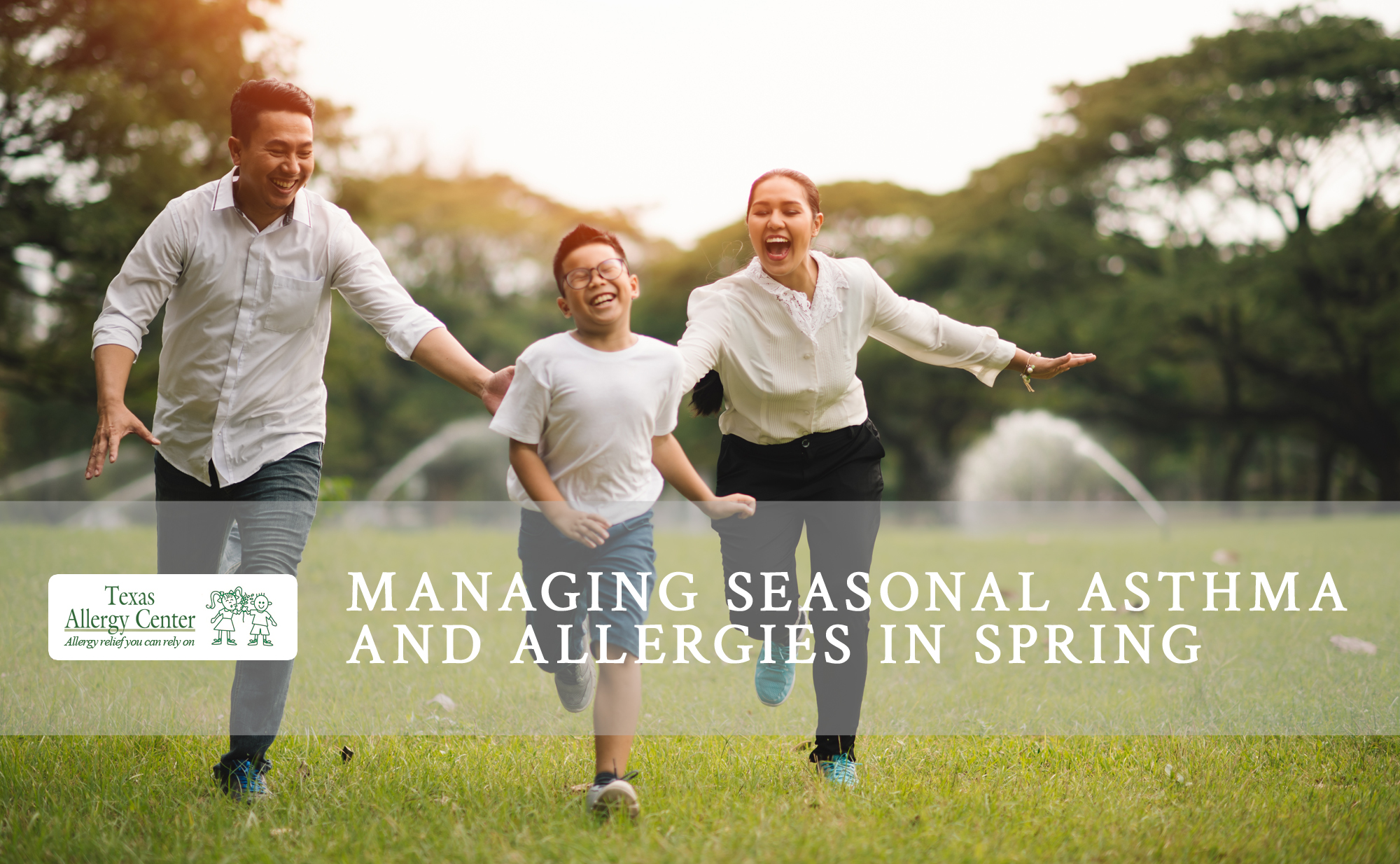
    Spring is a beautiful season marked by blooming flowers, budding trees, and warmer weather. However, for many people, spring also brings seasonal allergies and worsened asthma symptoms. Understanding these conditions and knowing how to manage them can help you enjoy the season to the fullest.

    What are Seasonal Allergies?

    Seasonal allergies, also known as hay fever or allergic rhinitis, occur when your immune system overreacts to allergens in the air. In spring, the primary culprits are pollen from trees, grasses, and weeds. When you inhale pollen, your immune system releases chemicals like histamine, leading to symptoms such as:
    THE LINK BETWEEN ALLERGIES & ASTHMA
    For people with asthma, seasonal allergies can be more than just a nuisance. Allergic reactions can trigger asthma symptoms, leading to coughing, wheezing, shortness of breath, and chest tightness. This is known as allergic asthma, and it affects many asthma sufferers, particularly in the spring.
    Tips For Managing Seasonal Allergies and Asthma in Spring
    spring allergy asthma dallas dr jane lee
    Spring is a beautiful time of year, but it can be challenging for those with seasonal allergies and asthma. By understanding your triggers and following a comprehensive management plan, you can minimize the impact of these conditions and enjoy the season safely. If you’re unsure about how to manage your allergies or asthma, don’t hesitate to schedule an appointment with Dr Jane Lee at Texas Allergy Center for proper diagnosis and personalized treatment options. Stay informed, be proactive, and take control of your allergies and asthma for a more comfortable spring season! 214-370-5700