Author: admin

  • Asthma Causes

    Causes of Asthma

    1. HereditaryChildren who have one asthmatic parent have a 40% chance of inheriting asthma. Those who have 2 asthmatic parents have a 70% chance of developing asthma.
    2. Allergens
    Age of OnsetAllergens contribute
    to airway inflammation
    2-6> 90%
    6-30> 70%
    > 3050%

    Factors that worsen asthma:

    1. Allergen exposure
    2. Infections (colds/viral infections, bronchitis, sinusitis)
    3. Gastro-esophageal reflux (indigestion)
    4. Irritants (smoke, pollution, chemicals)
    5. Some medications (Aspirin or NSAIDS in a small percentage, Beta-blockers)
    6. Obesity – Losing weight significantly improves asthma
  • Asthma Basics

    Inflammation of the airways and spasm of the muscles around the airways (bronchospasm) lead to asthma symptoms:

    • Wheezing
    • Coughing
    • Shortness of breath
    • Chest tightness

    Many asthmatics experience all of these symptoms whereas others experience only one or two. If inflammation is left untreated, “airway remodeling” or scarring of the airways can occur, leading to irreversible damage.

    Airway Diagrams

    Normal imageMild imgModerate imageSevere image

    Levels of Severity:

    1. Mild-Intermittent:
      • Daytime symptoms occuring less than twice per week.
      • Nocturnal awakening from asthma (typically between
        3:00 a.m. and 5:00 a.m.) less than twice per month

    2. Mild-persistent:
      • Daytime symptoms twice per week.
      • Nocturnal symptoms 2 – 4 times per month

    3. Moderate-persistent:
      • Daytime symptoms daily.
      • Nocturnal symptoms more than 5 times per month

    4. Severe-persistent:
      • Continuous symptoms

    Asthma is a very common condition, affecting up to 10% of the population. Over the past few decades the incidence of asthma
    has been rising.

  • Allergic Rhinitis

    If you have allergies, your body is overreacting to substances occurring naturally in the environment such as tree, weed and grass pollens, molds, dust mites or animal dander. The allergic reaction commonly involves you nose (allergic rhinitis), eyes (allergic conjunctivitis), and/or lungs (asthma).

    Everyone breathes in pollens, dust mites and molds. These substances are absorbed into the lining of the nose/airways. Most people don’t react to them and never know they are there. If you have allergic rhinitis, your immune system is recognizing these allergens and reacting against them. The immune response involves the release of chemical mediators (i.e. histamine), which cause inflammation or swelling within the nose, increased mucous production, itching and sneezing.

    Allergic rhinitis causes many people to feel tired and may also impair concentration. Studies have shown that school and work performance may be affected by allergic rhinitis.

    Common complications of allergic rhinitis:

    • Sinus pressure or sinusitis – The openings to the sinus cavities are located along the nasal lining. With allergies, the lining becomes swollen which may close off the sinus openings. This may lead to increased pressure within the sinuses and increased rate of sinus infections.
    • Ear pressure or ear infection – The Eustachian tube is the tube connecting the ear to the back of the nasal cavity. With allergies, the same inflammation that is present in the nasal lining may occur within the Eustachian tube. This may lead to a pressure sensation within the ears or even ear infections.
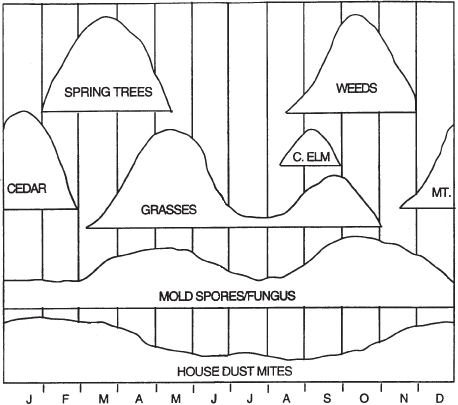
  • Avoiding Pollen & Outdoor Mold

    Pollens and outdoor molds come and go depending on the weather and time of year. Since they are seasonal, it is important to be aware of the allergies you have and the season in which they appear.

    January:Mountain Cedar*, Mold
    February:American Elm, Mountain Cedar, Mold
    March:American Elm*, Ash*, Cottonwood, Hackberry*, Mulberry, Oak*, Pecan, Pine, Sycamore, Mold
    April:Grass, Ash, Cottonwood, Sycamore, Hackberry*, Mulberry, Pecan*, Pine, Mold
    May:Grass*, Hackberry, Oak, Pecan, Pine, Mesquite, Mold
    June:Grass*, Mesquite, Mold
    July:Grass, Mold
    August:Grass, Cedar Elm, Weeds, Mold
    September:Ragweed*, Weeds*, Grass, Cedar Elm*, Mold*
    October:Ragweed*, Weeds*, Grass, Mold
    November:Weeds, Mountain Cedar, Mold
    December:Mountain Cedar, Mold
     * denotes highest levels
    Pollen
    On windy days the pollen count increases and can carry pollens great distances. When it rains the water droplets weigh pollens down, keeping them from getting air-born quickly.

    Outdoor Mold
    Molds can be found in most environments. They release spores into the air, which then settle and form new clusters. They are different from pollens because they grow year-round. Some molds grow outside the home and are can be carried into the home by the moving air.

    Stay Informed
    Find out when the pollen and mold counts are high from local television stations and allergy Web sites. Local Pollen Count

    How to Avoid Pollen & Outdoor Mold
    Pollen is difficult to completely avoid but here are some ways to reduce exposure:
    Close the windows of your home and car during pollen season, especially on windy days
    .Avoid prolonged outdoor activities during pollen season. This is especially important if it is a windy day or if the pollen counts are high.
    Avoid mowing the grass and cutting weeds. If you must do yard work, wear a pollen mask that fits tightly to your face. When finished, remove the clothes in laundry area, then shower/wash your hair.
    Wear close-fitting sunglasses to decrease pollen exposure. Use artificial tears or saline solution to wash out your eyes. Do not rub eyes.
    Wash hands, face and especially hair after outdoor exposure
    Remember to take your preventative allergy medications regularly during your allergy season.
    Antihistamines and decongestants can be used as you need for symptomatic relief.

    *Disclaimer: Results May Vary

  • Pollination Seasons in North Texas

    Pollination Seasons in North Texas

    January:Mountain Cedar*, Mold
    February:American Elm, Mountain Cedar, Mold
    March:American Elm*, Ash*, Cottonwood, Hackberry*, Mulberry, Oak*, Pecan, Pine, Sycamore, Mold
    April:Grass, Ash, Cottonwood, Sycamore, Hackberry*, Mulberry, Pecan*, Pine, Mold
    May:Grass*, Hackberry, Oak, Pecan, Pine, Mesquite, Mold
    June:Grass*, Mesquite, Mold
    July:Grass, Mold
    August:Grass, Cedar Elm, Weeds, Mold
    September:Ragweed*, Weeds*, Grass, Cedar Elm*, Mold*
    October:Ragweed*, Weeds*, Grass, Mold
    November:Weeds, Mountain Cedar, Mold
    December:Mountain Cedar, Mold
     * denotes highest levels