
Category: Allergens

  • Texas Allergy Center Helps You Navigate The Holidays With Cedar Christmas Tree Allergy

    Texas Allergy Center Helps You Navigate The Holidays With Cedar Christmas Tree Allergy

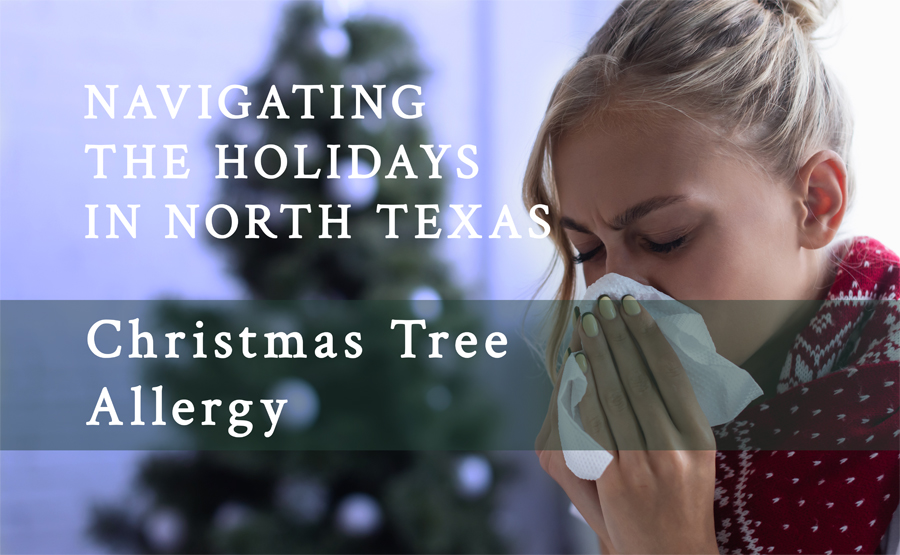
    The holiday season is a time for joy, festivities, and the warm glow of twinkling lights. However, for some individuals, a cedar Christmas tree can bring more than just holiday cheer—it can also trigger allergies. Cedar Christmas tree allergies can dampen the holiday spirit for those affected. This blog post will explore the causes, symptoms, and practical tips for managing a Christmas tree allergy, ensuring everyone can enjoy a merry and sneeze-free celebration.
    Mold spores, pollen, or certain chemicals on the tree typically trigger cedar Christmas tree allergies. Both natural and artificial trees can pose challenges for individuals with allergies, though the culprits differ.

    Real Trees and Allergens

    Real Christmas trees, often a symbol of tradition and nostalgia, can harbor mold spores and pollen. These allergens can be released into the air when the tree is indoors, leading to respiratory issues and other allergy symptoms.

    Artificial Trees and Allergens

    Artificial trees, made from materials like PVC, may contain allergens such as dust or mold accumulated during storage. Additionally, the manufacturing process and the materials used can emit volatile organic compounds (VOCs), which may trigger allergic reactions in some individuals.

    SYMPTOMS OF CEDAR CHRISTMAS TREE ALLERGY

    The symptoms of a cedar Christmas tree allergy can vary from mild to severe and may include:

    • Sneezing
    • Runny or stuffy nose
    • Itchy or watery eyes
    • Skin rashes or irritation
    • Coughing or wheezing
    christmas tree allergy dallas dr lee
    TIPS FOR MANAGING CEDAR CHRISTMAS TREE ALLERGY

    Choose The Right Tree:
    If you have a real tree, opt for one with minimal mold and pollen. Consider shaking the tree outdoors to remove loose debris before bringing it inside. Artificial trees should be cleaned thoroughly before being set up to remove dust and potential allergens.

    Allow for Ventilation:
    Ensure proper ventilation in the room when placing the tree. Opening windows periodically can help reduce the concentration of allergens in the air.
    Use an Air Purifier:
    Consider using an air purifier with a HEPA filter to help remove airborne allergens. This can be particularly beneficial for individuals with respiratory issues.
    Keep it Clean:
    Regularly dust and clean the area around the tree. Wipe down artificial trees and decorations to minimize the accumulation of dust and allergens.
    Consider Allergy Medications:
    If you know you are prone to allergies, consider taking antihistamines or other allergy medications before decorating the tree. Consult with a healthcare professional for personalized advice.
    Option for Alternative Decorations:
    If the tree triggers allergies, consider alternative decorations like wreaths, garlands, or festive lights. These can still add a touch of holiday spirit without the potential allergens.
    While a Christmas tree allergy may present challenges, it doesn’t mean you must abandon the festive traditions altogether. By being mindful of the type of tree you choose, maintaining a clean environment, and taking proactive measures, you can create a holiday atmosphere that everyone can enjoy. After all, the season is about coming together with loved ones, and with a bit of preparation, you can ensure that allergies won’t stand in the way of a joyful and sneeze-free celebration.

    Our board-certified allergist and highly trained staff are here to help you find relief with the proper treatment and care. Call 214-370-5700 to schedule your appointment today! 

  • Avoiding Pollen & Outdoor Mold

    Pollens and outdoor molds come and go depending on the weather and time of year. Since they are seasonal, it is important to be aware of the allergies you have and the season in which they appear.

    January: Mountain Cedar*, Mold
    February: American Elm, Mountain Cedar, Mold
    March: American Elm*, Ash*, Cottonwood, Hackberry*, Mulberry, Oak*, Pecan, Pine, Sycamore, Mold
    April: Grass, Ash, Cottonwood, Sycamore, Hackberry*, Mulberry, Pecan*, Pine, Mold
    May: Grass*, Hackberry, Oak, Pecan, Pine, Mesquite, Mold
    June: Grass*, Mesquite, Mold
    July: Grass, Mold
    August: Grass, Cedar Elm, Weeds, Mold
    September: Ragweed*, Weeds*, Grass, Cedar Elm*, Mold*
    October: Ragweed*, Weeds*, Grass, Mold
    November: Weeds, Mountain Cedar, Mold
    December: Mountain Cedar, Mold
      * denotes highest levels
    Pollen
    On windy days the pollen count increases and can carry pollens great distances. When it rains the water droplets weigh pollens down, keeping them from getting air-born quickly.

    Outdoor Mold
    Molds can be found in most environments. They release spores into the air, which then settle and form new clusters. They are different from pollens because they grow year-round. Some molds grow outside the home and are can be carried into the home by the moving air.

    Stay Informed
    Find out when the pollen and mold counts are high from local television stations and allergy Web sites. Local Pollen Count

    How to Avoid Pollen & Outdoor Mold
    Pollen is difficult to completely avoid but here are some ways to reduce exposure:
    Close the windows of your home and car during pollen season, especially on windy days
    .Avoid prolonged outdoor activities during pollen season. This is especially important if it is a windy day or if the pollen counts are high.
    Avoid mowing the grass and cutting weeds. If you must do yard work, wear a pollen mask that fits tightly to your face. When finished, remove the clothes in laundry area, then shower/wash your hair.
    Wear close-fitting sunglasses to decrease pollen exposure. Use artificial tears or saline solution to wash out your eyes. Do not rub eyes.
    Wash hands, face and especially hair after outdoor exposure
    Remember to take your preventative allergy medications regularly during your allergy season.
    Antihistamines and decongestants can be used as you need for symptomatic relief.

    *Disclaimer: Results May Vary

  • Pollination Seasons in North Texas

    Pollination Seasons in North Texas

    January:Mountain Cedar*, Mold
    February:American Elm, Mountain Cedar, Mold
    March:American Elm*, Ash*, Cottonwood, Hackberry*, Mulberry, Oak*, Pecan, Pine, Sycamore, Mold
    April:Grass, Ash, Cottonwood, Sycamore, Hackberry*, Mulberry, Pecan*, Pine, Mold
    May:Grass*, Hackberry, Oak, Pecan, Pine, Mesquite, Mold
    June:Grass*, Mesquite, Mold
    July:Grass, Mold
    August:Grass, Cedar Elm, Weeds, Mold
    September:Ragweed*, Weeds*, Grass, Cedar Elm*, Mold*
    October:Ragweed*, Weeds*, Grass, Mold
    November:Weeds, Mountain Cedar, Mold
    December:Mountain Cedar, Mold
     * denotes highest levels