
Category: Allergies

  • Insect Bites and Fire Ant Stings

    Insect Bites and Fire Ant Stings

    As temperatures rise during the summer, so does the risk of encountering insect bites and stings, particularly from fire ants. For individuals with allergies and asthma, these encounters can lead to severe reactions that may require immediate medical attention. Education on the risks associated with insect bites and fire ant stings is essential, especially for those with a history of allergies or asthma.

    Fire ant bites are common during the summer, and their venom can trigger allergic reactions in some individuals. When a fire ant bites, it injects venom that can cause pain, swelling, redness, and itching at the bite site. For those with allergies, a fire ant sting can lead to a more serious reaction, such as anaphylaxis. Anaphylaxis is a severe, life-threatening allergic reaction that requires immediate treatment with epinephrine.

    Individuals with a history of allergies and asthma are at a higher risk of experiencing allergic reactions to insect bites and stings. Asthma can further complicate the situation by causing respiratory symptoms, such as wheezing and difficulty breathing, in response to the venom. Therefore, individuals with allergies and asthma must take precautions outdoors to avoid insect bites.

    At Texas Allergy Center, we emphasize recognizing the signs of allergic reactions to insect bites and fire ant stings. Symptoms of an allergic reaction, such as hives, swelling of the face or throat, difficulty breathing, dizziness, and a rapid heartbeat, should not be ignored. If symptoms occur after an insect bite or sting, remember that seeking medical attention immediately is the best way to ensure your safety and well-being.

    VENOM ALLERGIES

    It is important to note that venom allergies can be accurately diagnosed and effectively managed at our allergy clinic. Our experienced allergists can perform diagnostic tests to identify specific venom allergies and develop personalized treatment plans, including prescribing epinephrine auto-injectors for individuals at risk of severe allergic reactions. This knowledge and support can empower you to manage your allergies and confidently enjoy the outdoors.

    In conclusion, with summertime activities, individuals with allergies and asthma must be aware of the risks associated with insect bites and fire ant stings. Individuals can enjoy the outdoors safely by understanding the potential for allergic reactions and taking preventive measures, such as wearing protective clothing and using insect repellent. However, it is important to remember that if you experience an allergic reaction to an insect bite or sting, seeking medical help promptly is the best course of action. This guidance can give you a sense of security and ensure your well-being. For more information or to schedule a consultation with Dr. Jane Lee, call our clinic today and schedule an appointment. 214-370-5700
  • Understanding, Managing, and Preventing Insect Allergies

    Understanding, Managing, and Preventing Insect Allergies

    Insects are fascinating creatures but can pose a severe health risk for some. Although less common than other types of allergies, insect allergies can cause severe reactions in susceptible individuals. Understanding these allergies, their triggers, and how to manage and prevent them is crucial for those at risk.

    What Are Insect Allergies?

    Insect allergies are allergic reactions triggered by proteins in insects’ saliva, venom, or other body parts. The most common insects known to cause allergic reactions include:
    • Bees
    • Wasps
    • Hornets
    • Yellowjackets
    • Fire ants
    • Mosquitoes

    Symptoms of Insect Allergies

    For most people, insect stings or bites produce mild reactions like redness, swelling, and itching. However, the reaction can be much more severe and even life-threatening for those with insect allergies. Symptoms of an insect allergy may include:
    • Hives
    • Swelling of the face, throat, or tongue
    • Difficulty breathing
    • Wheezing
    • Dizziness
    • Nausea or vomiting
    • Anaphylaxis – a severe, potentially fatal allergic reaction that requires immediate medical attention.

    Diagnosis and Treatment

    If you suspect an insect allergy, seeing an allergist is essential for a proper diagnosis. They will take your medical history, perform a physical examination, and may conduct allergy tests, such as skin tests or blood tests, to determine your specific allergens.

    Treatment for insect allergies typically involves:
    • Avoiding insect stings or bites.
    • Carrying an epinephrine auto-injector (such as an EpiPen) if prescribed by your doctor.
    • Seeking immediate medical attention if stung.
    • Antihistamines and corticosteroids may also help manage symptoms.

    Prevention Tips

    While it may not be possible to avoid insects, especially during outdoor activities completely, there are several steps you can take to reduce your risk of insect stings or bites:
    • Wear protective clothing – When outdoors, especially in wooded or grassy areas, wear long sleeves, pants, and closed-toe shoes to minimize exposed skin.
    Avoid bright-colored clothing – Bright colors attract insects, so wearing neutral colors can help reduce the likelihood of attracting them.
    Use insect repellent – Apply insect repellent containing DEET or picaridin to exposed skin and clothing.
    Be cautious around food and drinks – Food and sugary drinks attract insects, so keep food and beverages covered outdoors.
    Stay calm and still—If an insect lands on you, stay calm and slowly move away. Swatting at insects can provoke them to sting.
    Even though insect allergies can be severe and even life-threatening, the risks are minimized with proper understanding, management, and prevention. There is immunotherapy for severe allergies to insects and stinging venoms that allows you to become desensitized. If you suspect an insect allergy, consult Dr. Jane Lee for a correct diagnosis and discuss a personalized management plan. By taking precautions and knowing how to respond in an emergency, you can enjoy the outdoors safely and confidently. Remember to schedule an appointment with Dr. Jane Lee at Texas Allergy Center, Dallas, TX, to stay informed, be proactive, and take control of your allergies for a more comfortable summer season!
    Call 214-370-5700
  • Grass Allergies

    Grass Allergies

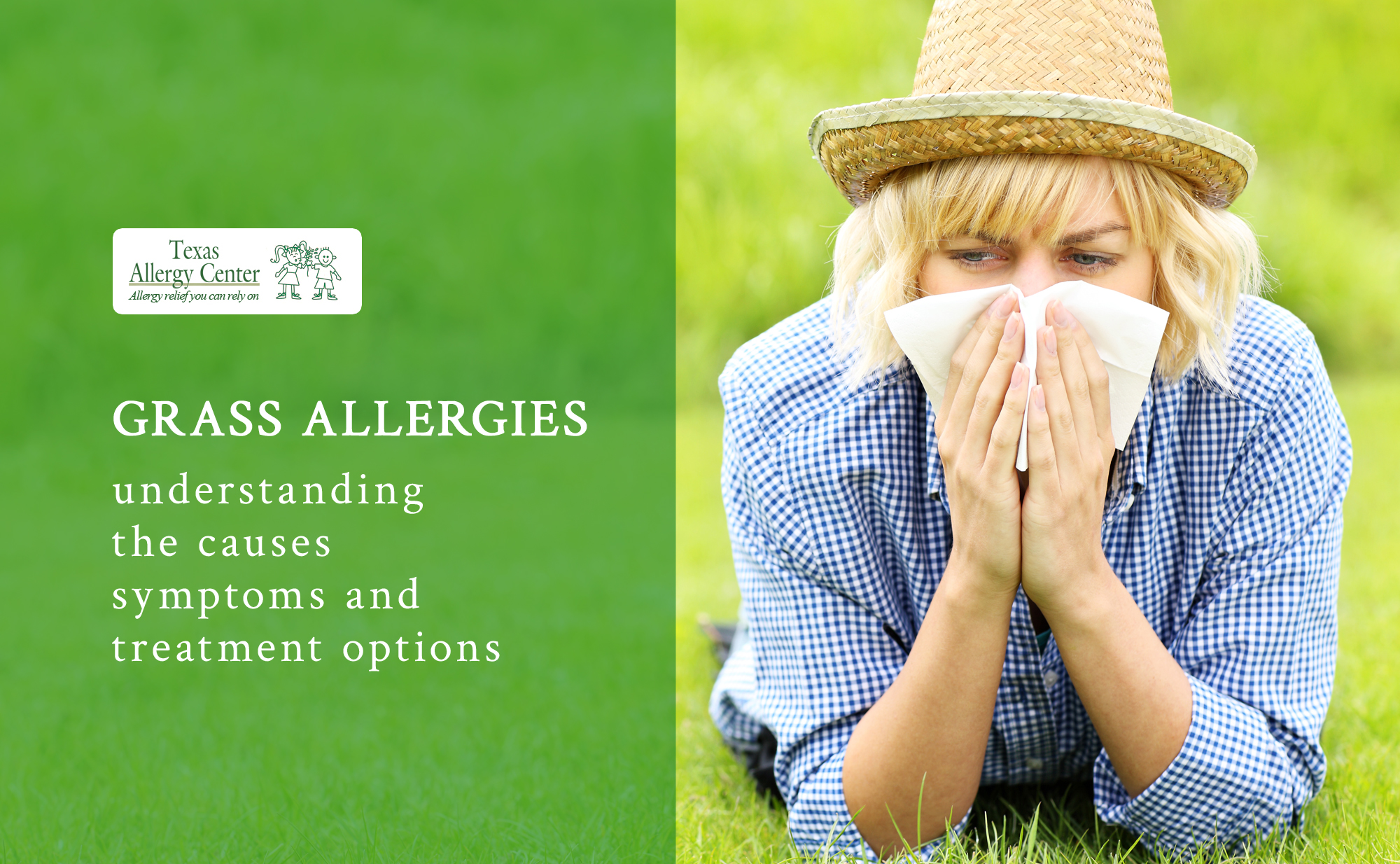
    Spring is a time of renewal, but for many, it also marks the beginning of grass allergies. The lush green lawns and meadows that bloom during this season can trigger sneezing, itching, and other bothersome symptoms in individuals sensitive to grass pollen. Understanding the causes, symptoms, and treatment options for grass allergies can help you enjoy the season to the fullest.

    What Causes Grass Allergies?

    Grass allergies are primarily triggered by pollen grains released by grasses as part of their reproductive cycle. When these pollen grains come into contact with the mucous membranes of the nose or eyes, they can trigger an allergic reaction in some individuals. Grass pollen is lightweight and can travel long distances through the air, making it easy to inhale.

    Symptoms of Grass Allergies

    The symptoms of grass allergies can vary from person to person but often include:
    These symptoms can range from mild to severe and significantly impact your quality of life, especially during the peak grass pollen season.

    Managing Grass Allergies

    While altogether avoiding grass pollen may be challenging, there are several steps you can take to manage your grass allergies and reduce your exposure to pollen:
    These symptoms can range from mild to severe and significantly impact your quality of life, especially during the peak grass pollen season.

    Treatment Options for Grass Allergies

    There are treatment options available to help alleviate the symptoms of grass allergies. It’s essential to consult with your healthcare provider or allergist to determine the best treatment plan for your grass allergies based on your symptoms and medical history.

    Managing grass allergies can be challenging and uncomfortable, especially during peak pollen season. However, with proper understanding, preventive measures, and treatment options, you can effectively manage your grass allergies and enjoy the beauty of spring without the constant itching and sneezing. If you have grass allergies, consult Dr. Jane Lee at Texas Allergy Center for a proper diagnosis and personalized treatment plan. Find relief today! 214-370-5700

  • Enjoying Outdoor Events With Allergies

    Enjoying Outdoor Events With Allergies

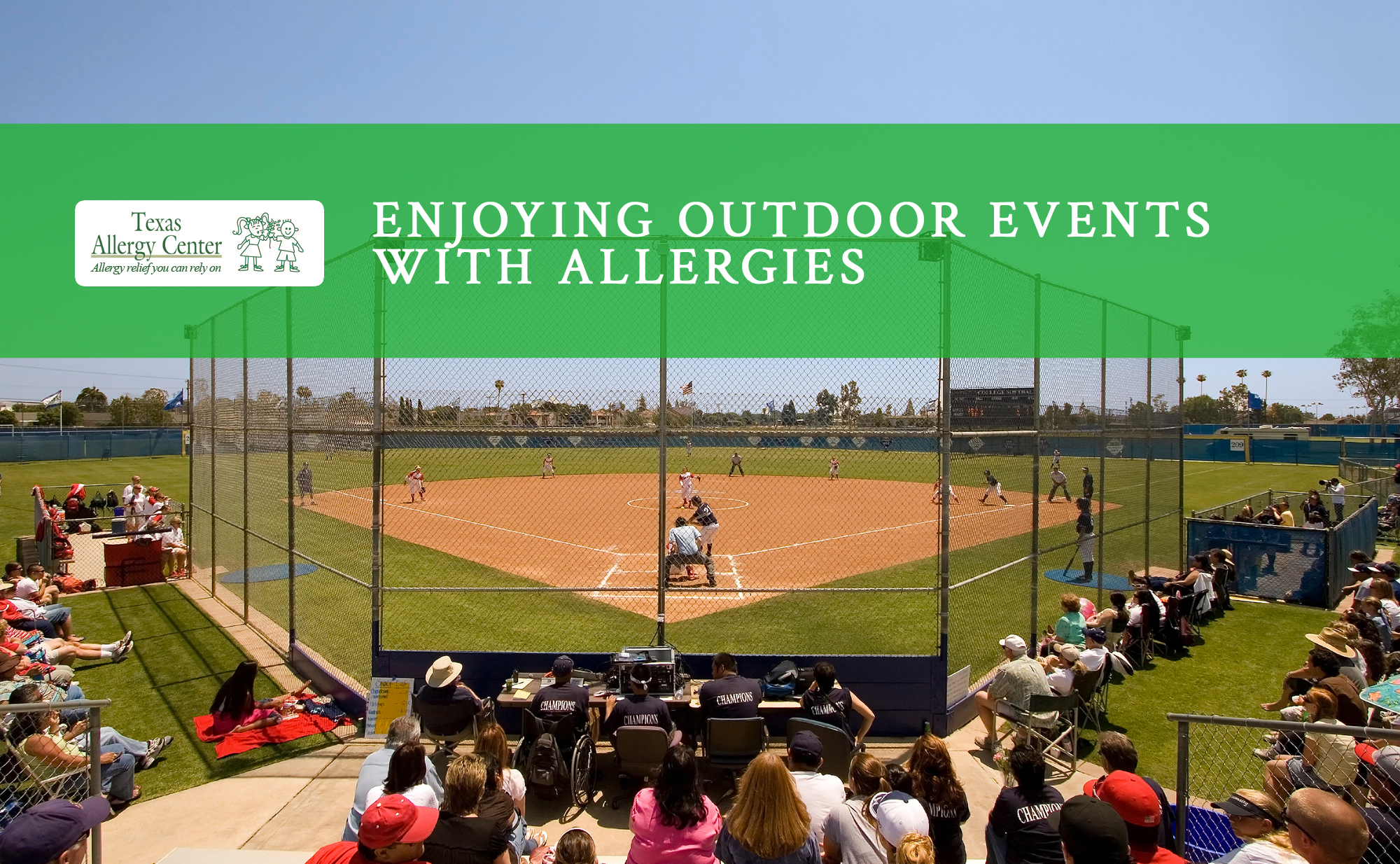
    Spring and summer bring outdoor events, from music festivals to picnics in the park. As the weather warms up and flowers bloom, many look forward to spending more time outdoors. However, these events can also have some challenges for many allergy sufferers, which may dampen their enjoyment of being outside. The pollen count rises, insects buzz around, and ground dust triggers allergic reactions. If you’re one of the millions who suffer from allergies but don’t want to miss out on the fun, we have some tips that may help you enjoy outdoor events to the fullest.

    • Check the Pollen Forecast: Before heading out, check the pollen forecast for the day and stay informed about pollen forecasts in your area. Schedule outdoor activities on days when pollen counts are lower to minimize exposure.
    • Wear Appropriate Clothing: When attending outdoor events, wear long sleeves, pants, and a hat to minimize skin exposure to pollen. Sunglasses can also help protect your eyes from pollen, or a mask to help filter out allergens. After spending time outdoors, shower and change your clothes to remove any pollen that may have settled on your body and clothing.
    • Stay Hydrated: Drinking plenty of water can help thin mucus secretions, making it easier to clear your nasal passages. Consistently take your prescribed allergy medication as directed by your healthcare provider to help alleviate symptoms and make outdoor activities more enjoyable.
    • Know When to Seek Help: If you experience severe allergic reactions, such as difficulty breathing, swelling of the face or throat, or a rapid heartbeat, seek medical help immediately. Plan for emergencies and always carry your prescribed medications and an epinephrine auto-injector with you.
    By taking these precautions, you can minimize your exposure to allergens and enjoy outdoor events without the fear of triggering allergic reactions. You can make the most of the beautiful outdoor season ahead with proper planning and care. Call today to schedule an appointment at Texas Allergy Center with Dr. Jane Lee for a proper diagnosis and personalized treatment options. Stay informed, be proactive, and take control of your allergies and asthma! 214-370-5700
  • Texas Allergy Center Tips for Spring Travel

    Texas Allergy Center Tips for Spring Travel

    Whether exploring destinations near or away from home, traveling during springtime can be challenging for those with allergies. Here are some tips to help you manage spring allergies during spring trips so you can make the most of your trip without the sniffles and sneezes.
    Research Your Destination
    Before you travel, research the pollen levels and common allergens for the local area you’ll be visiting. This information can help you prepare and pack accordingly.
    Pack Smart

    Pack any necessary allergy medications in your carry-on luggage, such as antihistamines or nasal sprays. This way, you’ll have them readily available during your journey.

    Plan Outdoor Activities Wisely
    If you know you’re allergic to certain pollens, plan outdoor activities when pollen counts are lower, such as early morning or late afternoon.
    Use Allergy-Proof Products
    To minimize exposure to allergens in your accommodation, consider using allergy-proof products, such as pillowcases and mattress covers.
    Stay Hydrated

    Staying hydrated can help thin mucus secretions and reduce congestion, which can help manage allergy symptoms.

    Avoid Certain Foods
    Some foods, such as certain fruits and vegetables, can worsen pollen allergies due to cross-reactivity. Avoiding these foods may help alleviate symptoms.
    Keep Windows Closed
    While opening windows to let in fresh air may be tempting, it can also let in pollen. Keep windows closed and use air conditioning instead.
    Consider Allergy Shots
    If you frequently travel during allergy season, consider allergy shots (immunotherapy) to help reduce your sensitivity to allergens.
    Consult Doctor Jane Lee
    If you’re planning a trip and have concerns about your allergies, consult with us to be prepared. We’ll offer personalized advice and recommend appropriate medications.
    Be Prepared for Emergencies
    Ensure you know how to access medical care at your destination in case of a severe allergic reaction.
    spring break allergy asthma dr. jane lee
    By taking these precautions and proactively managing your allergies, you can enjoy your travels during springtime and make the most of your break. If you’re unsure and have questions, call today to schedule an appointment at Texas Allergy Center with Dr. Jane Lee for a proper diagnosis and personalized treatment options. Stay informed, be proactive, and take control of your allergies and asthma! 214-370-5700
  • Texas Allergy And Asthma Care Managing Seasonal Allergies and Asthma in Spring

    Texas Allergy And Asthma Care Managing Seasonal Allergies and Asthma in Spring

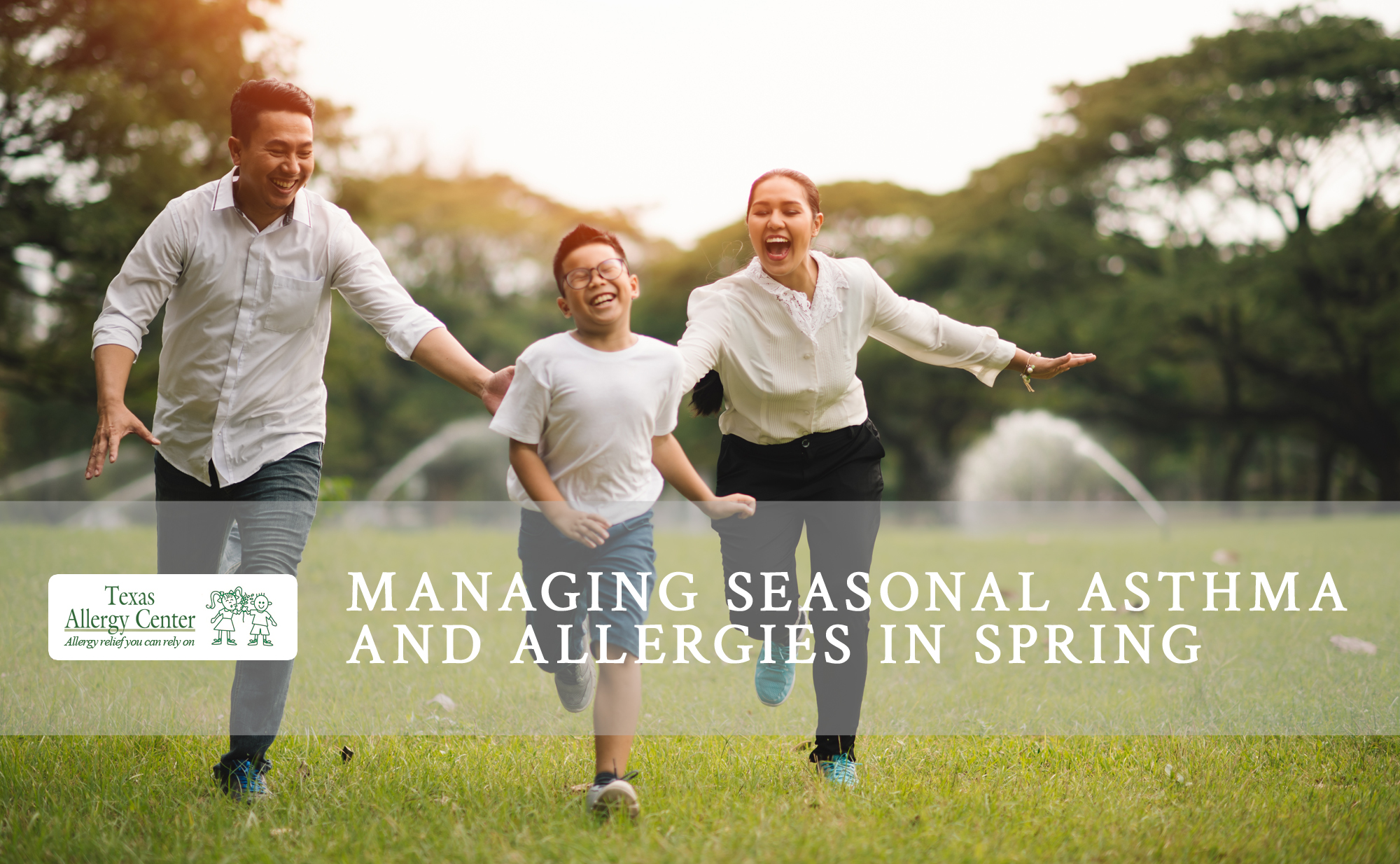
    Spring is a beautiful season marked by blooming flowers, budding trees, and warmer weather. However, for many people, spring also brings seasonal allergies and worsened asthma symptoms. Understanding these conditions and knowing how to manage them can help you enjoy the season to the fullest.

    What are Seasonal Allergies?

    Seasonal allergies, also known as hay fever or allergic rhinitis, occur when your immune system overreacts to allergens in the air. In spring, the primary culprits are pollen from trees, grasses, and weeds. When you inhale pollen, your immune system releases chemicals like histamine, leading to symptoms such as:
    THE LINK BETWEEN ALLERGIES & ASTHMA
    For people with asthma, seasonal allergies can be more than just a nuisance. Allergic reactions can trigger asthma symptoms, leading to coughing, wheezing, shortness of breath, and chest tightness. This is known as allergic asthma, and it affects many asthma sufferers, particularly in the spring.
    Tips For Managing Seasonal Allergies and Asthma in Spring
    spring allergy asthma dallas dr jane lee
    Spring is a beautiful time of year, but it can be challenging for those with seasonal allergies and asthma. By understanding your triggers and following a comprehensive management plan, you can minimize the impact of these conditions and enjoy the season safely. If you’re unsure about how to manage your allergies or asthma, don’t hesitate to schedule an appointment with Dr Jane Lee at Texas Allergy Center for proper diagnosis and personalized treatment options. Stay informed, be proactive, and take control of your allergies and asthma for a more comfortable spring season! 214-370-5700
  • MOUNTAIN CEDAR WINTER ALLERGIES

    MOUNTAIN CEDAR WINTER ALLERGIES

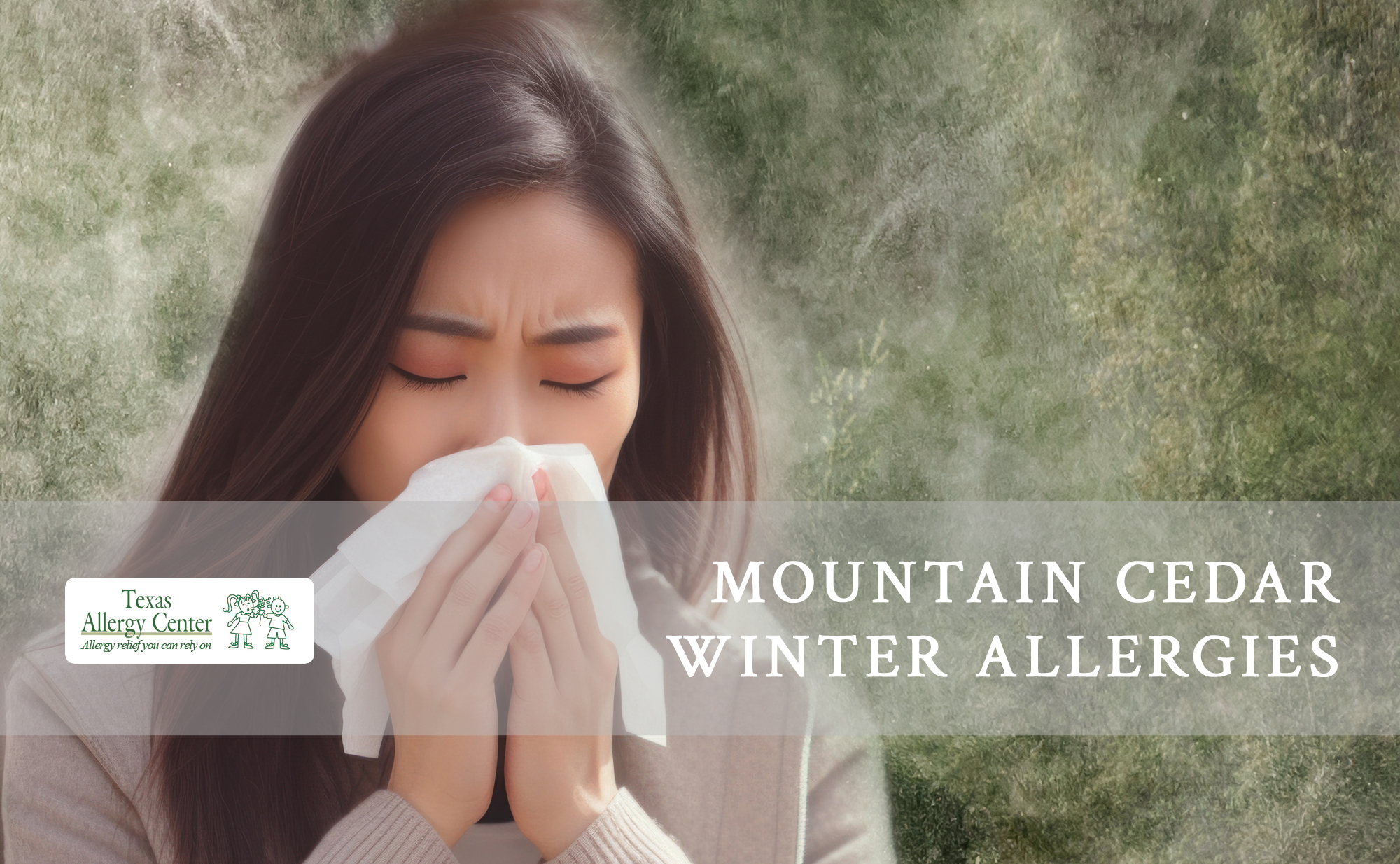
    As the winter season lingers in North Texas, so do the effects of mountain cedar, a notorious trigger for allergies in certain regions. Sneezing, coughing, and itchy eyes are unpleasant symptoms many people experience during this time. During the winter, the trees release large amounts of pollen into the air, leading to allergic reactions in susceptible individuals.
    Cedar Allergy Season

    Cedar allergy season starts in late November, goes through February, and typically peaks in mid-January.

    Texas Cedar PolleN

    Up to 20% of Texans suffer from cedar pollen allergies.

    AMOUNTS OF POLLEN

    The plants produce enormous amounts of pollen, which can make people who are allergic feel miserable.

    When exposed to mountain cedar pollen, individuals with allergies may experience a variety of symptoms, including:
    Some over-the-counter antihistamines, nasal corticosteroids, and decongestants can temporarily relieve symptoms. For individuals with severe or persistent allergies, allergen immunotherapy (allergy shots) or sublingual immunotherapy (under-the-tongue tablets or drops) can help desensitize the body to mountain cedar pollen over time, reducing the severity of allergic reactions. If you don’t get the relief you need from over-the-counter remedies, including nasal steroids, eye drops, antihistamines, or salt-water rinses for the nose, then it’s time to see Dr. Jane Lee at Texas Allergy Center!
    Mountain cedar allergies can be an unpleasant and disruptive experience for many individuals during the North Texas winter season. By understanding the causes, recognizing the symptoms, and employing effective management strategies, you can minimize the impact of mountain cedar allergies on your daily life. Remember to consult with Dr. Jane Lee at Texas Allergy Center for proper diagnosis and personalized treatment options. Stay informed, be proactive, and take control of your allergies for a more comfortable winter season! 214-370-5700
  • Texas Allergy And Asthma Care Guide to Managing Winter Allergies

    Texas Allergy And Asthma Care Guide to Managing Winter Allergies

    Many look forward to cozy winter nights by the fireplace in North Texas. However, this picturesque season can bring challenges for those who suffer from winter allergies. Managing winter allergies requires a proactive approach, from indoor irritants to outdoor triggers. We offer practical strategies to help you breeze through the winter months with ease.

    Winter allergies can be triggered by various factors, both indoors and outdoors. Common culprits include indoor and outdoor allergens.

    INDOOR ALLERGENS

    OUTDOOR ALLERGENS

    Tips For Managing Winter Allergies

    KEEP INDOOR SPACES CLEAN:
    • Regularly clean and dust surfaces to minimize dust mites.
    • Use allergen-proof bedding and pillow covers to protect against dust mites.
    • Ensure proper ventilation to prevent mold growth.
    HUMIDITY CONTROL:
    • Use a dehumidifier to maintain optimal humidity levels and prevent mold growth.
    • Keep indoor humidity between 30-50%.
    PET CARE:
    • Bathe pets regularly to reduce dander.
    • Designate specific areas for pets to minimize allergen exposure.
    WINTERIZE YOUR HOME:
    • Seal windows and doors to prevent drafts and outdoor allergens from entering.
    • Replace furnace filters regularly to maintain clean indoor air.
    STAY HYDRATED:
    • Drink plenty of water to keep mucous membranes hydrated, helping to alleviate symptoms.
    NASAL SPRAYS:
    • Use saline nasal sprays to moisturize nasal passages.
    DRESS APPROPRIATELY:
    • Wear a scarf or mask to warm and humidify the air you breathe during cold weather.
    • Dress in layers to stay warm without overheating, as overheating can exacerbate allergies.
    CHOOSE ALLERGY-FRIENDLY ACTIVITIES:
    • Opt for winter activities that minimize exposure to allergens, such as indoor workouts or skiing in areas with fewer allergens.
    While winter allergies may pose challenges, with proactive measures, you can enjoy the beauty of the season without constantly battling sneezing, itching, and congestion. Understanding your specific triggers and implementing these practical tips can transform winter into a wonderland of comfort and well-being.
    Our board-certified allergist and highly trained staff are here to help you find relief with the proper treatment and care. Call 214-370-5700 to schedule your appointment and be comfortable all year!
  • Managing Indoor Allergies During the Cold Months

    Managing Indoor Allergies During the Cold Months

    As the winter season blankets the world in a layer of snow and frost, many people rejoice in the cozy indoor settings. However, for those who suffer from indoor allergies, winter can bring its own set of challenges. Managing indoor allergies during winter requires a proactive approach, from dust mites to mold. In this blog post, we’ll explore practical strategies to create an allergen-free haven within the confines of your home.
    Winter should be a time of joy and warmth, not a season plagued by indoor allergies. By adopting these proactive measures, you can create a healthier indoor environment and enjoy the beauty of winter without the discomfort of allergy symptoms. Remember, a little effort in managing indoor allergies can go a long way in ensuring a cozy and allergen-free winter haven.
    Our board-certified allergist and highly trained staff are here to help you find relief with the proper treatment and care. Call 214-370-5700 to schedule your appointment and be comfortable all year!
    indoor winter allergies cat
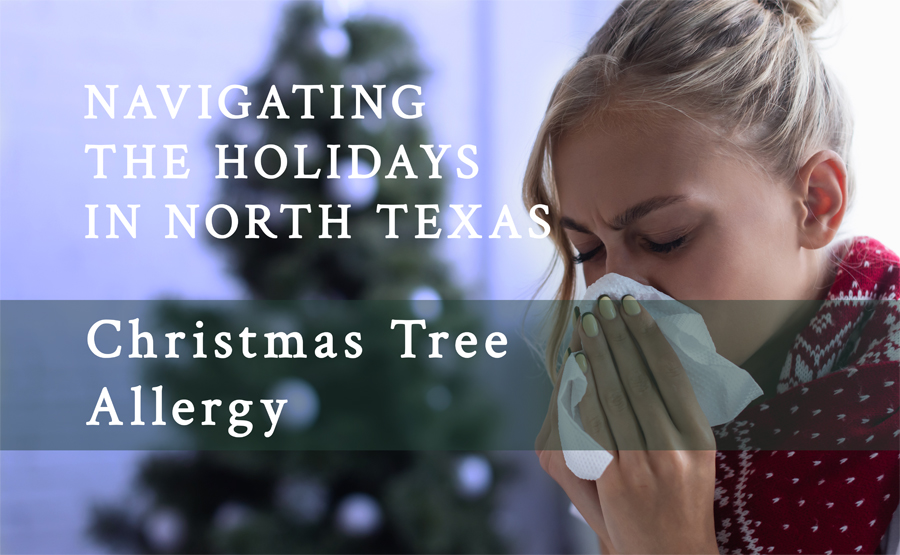
  • Texas Allergy Center Helps You Navigate The Holidays With Cedar Christmas Tree Allergy

    Texas Allergy Center Helps You Navigate The Holidays With Cedar Christmas Tree Allergy

    The holiday season is a time for joy, festivities, and the warm glow of twinkling lights. However, for some individuals, a cedar Christmas tree can bring more than just holiday cheer—it can also trigger allergies. Cedar Christmas tree allergies can dampen the holiday spirit for those affected. This blog post will explore the causes, symptoms, and practical tips for managing a Christmas tree allergy, ensuring everyone can enjoy a merry and sneeze-free celebration.
    Mold spores, pollen, or certain chemicals on the tree typically trigger cedar Christmas tree allergies. Both natural and artificial trees can pose challenges for individuals with allergies, though the culprits differ.

    Real Trees and Allergens

    Real Christmas trees, often a symbol of tradition and nostalgia, can harbor mold spores and pollen. These allergens can be released into the air when the tree is indoors, leading to respiratory issues and other allergy symptoms.

    Artificial Trees and Allergens

    Artificial trees, made from materials like PVC, may contain allergens such as dust or mold accumulated during storage. Additionally, the manufacturing process and the materials used can emit volatile organic compounds (VOCs), which may trigger allergic reactions in some individuals.

    SYMPTOMS OF CEDAR CHRISTMAS TREE ALLERGY

    The symptoms of a cedar Christmas tree allergy can vary from mild to severe and may include:

    • Sneezing
    • Runny or stuffy nose
    • Itchy or watery eyes
    • Skin rashes or irritation
    • Coughing or wheezing
    christmas tree allergy dallas dr lee
    TIPS FOR MANAGING CEDAR CHRISTMAS TREE ALLERGY

    Choose The Right Tree:
    If you have a real tree, opt for one with minimal mold and pollen. Consider shaking the tree outdoors to remove loose debris before bringing it inside. Artificial trees should be cleaned thoroughly before being set up to remove dust and potential allergens.

    Allow for Ventilation:
    Ensure proper ventilation in the room when placing the tree. Opening windows periodically can help reduce the concentration of allergens in the air.
    Use an Air Purifier:
    Consider using an air purifier with a HEPA filter to help remove airborne allergens. This can be particularly beneficial for individuals with respiratory issues.
    Keep it Clean:
    Regularly dust and clean the area around the tree. Wipe down artificial trees and decorations to minimize the accumulation of dust and allergens.
    Consider Allergy Medications:
    If you know you are prone to allergies, consider taking antihistamines or other allergy medications before decorating the tree. Consult with a healthcare professional for personalized advice.
    Option for Alternative Decorations:
    If the tree triggers allergies, consider alternative decorations like wreaths, garlands, or festive lights. These can still add a touch of holiday spirit without the potential allergens.
    While a Christmas tree allergy may present challenges, it doesn’t mean you must abandon the festive traditions altogether. By being mindful of the type of tree you choose, maintaining a clean environment, and taking proactive measures, you can create a holiday atmosphere that everyone can enjoy. After all, the season is about coming together with loved ones, and with a bit of preparation, you can ensure that allergies won’t stand in the way of a joyful and sneeze-free celebration.

    Our board-certified allergist and highly trained staff are here to help you find relief with the proper treatment and care. Call 214-370-5700 to schedule your appointment today!