
Category: News

  • Celebrating Asthma and Allergy Awareness Month

    Celebrating Asthma and Allergy Awareness Month

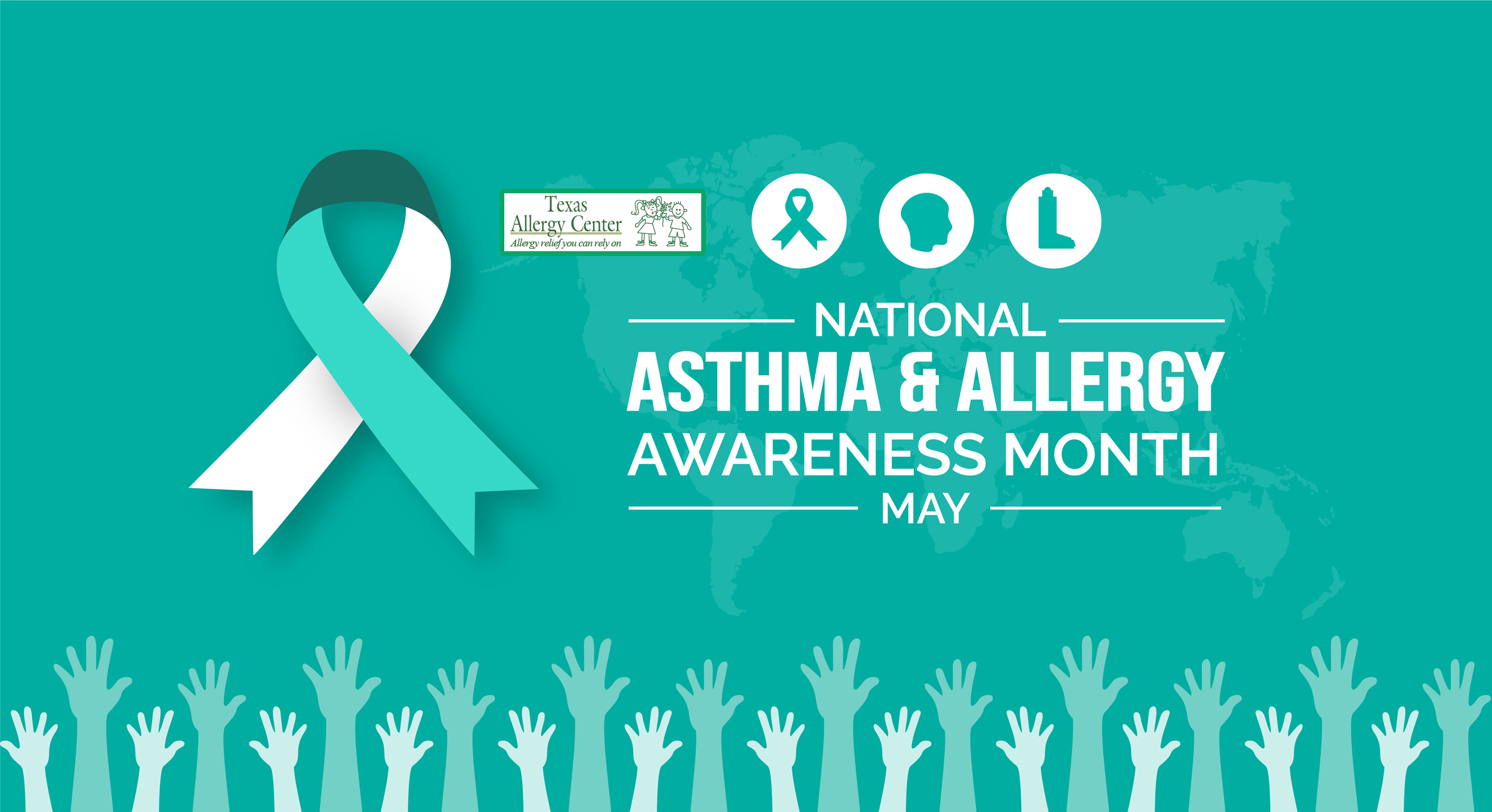
    May is a time for sunny days, warmer weather, trees budding, and flowers blooming. It is also the month to raise awareness about asthma and allergies. Asthma and Allergy Awareness Month is a crucial time to educate, advocate for, and support those affected by these conditions.
    Since 1984, the Asthma and Allergy Foundation of America (AAFA) has declared May “National Asthma and Allergy Awareness Month.” Over 65 million individuals in the U.S. have allergies and asthma. Although no cure is available, allergies or asthma are managed with appropriate treatment and prevention.
    Asthma and Allergy Awareness Month is a time for the community to support, educate, and advocate for those affected by these conditions. Raising awareness and taking action can create a world where asthma and allergies are better understood and managed.
    For more information on allergies and asthma treatments, call today to schedule an appointment at Texas Allergy Center with Dr. Jane Lee for a proper diagnosis and personalized treatment options. Stay informed, be proactive, and take control of your allergies and asthma!
    Call 214-370-5700 
  • Texas Allergy Center Helps You Navigate Fall Allergies in North Texas: Grass Allergy

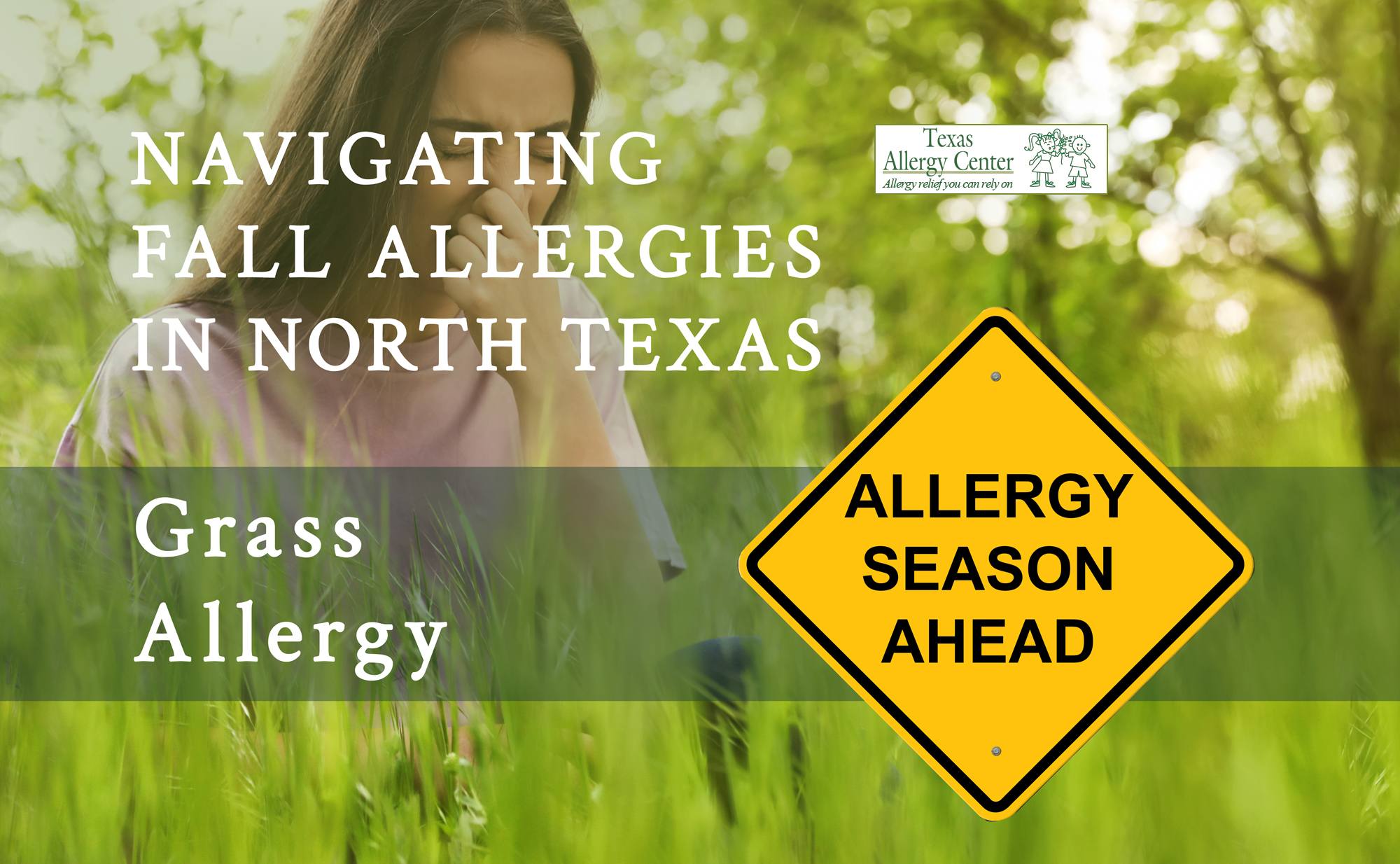
    Texas Allergy Center Helps You Navigate Fall Allergies in North Texas: Grass Allergy

    As the vibrant colors of summer give way to the golden hues of autumn in North Texas, many people look forward to cooler temperatures and outdoor activities. However, for individuals who suffer from grass allergy, the fall season can bring a new set of challenges. Various grasses release their pollen, triggering allergic reactions in susceptible individuals creating a common problem in our region of the Lone Star State. Let’s explore the causes, symptoms, and management strategies for grass allergy during the fall season.

    Grass allergies, also known as hay fever or allergic rhinitis, are allergic reactions triggered by pollen from grasses. In Texas, numerous grass species release pollen particles into the air during the fall months. When people with grass allergies come into contact with these pollen particles, their immune systems may overreact.

    As the temperatures become milder and more pleasant, people tend to spend more time outdoors. Unfortunately, this means increased exposure to airborne grass pollen. Additionally, the dry and windy conditions that often characterize the fall season can further facilitate the spread of pollen throughout the air, increasing the likelihood of allergic reactions.


    COMMON SYMPTOMS

    The symptoms of grass allergy can range from mild to severe and can greatly impact an individual’s quality of life. Common symptoms include:

    • Sneezing and Runny Nose: Sneezing is one of the most common signs of grass allergy. Along with sneezing, individuals may experience a runny or congested nose.
    • Itchy, Watery Eyes: Allergic rhinitis often leads to itchy, red, and watery eyes, which can cause discomfort and affect vision.
    • Coughing and Wheezing: For those with asthma or a history of respiratory issues, exposure to grass pollen can trigger coughing, wheezing, and shortness of breath.
    • Fatigue and Irritability: Chronic allergy symptoms can lead to sleep disturbances, leaving sufferers feeling fatigued and irritable.

    MANAGEMENT AND PREVENTION

    While complete avoidance of grass pollen is challenging, there are several strategies individuals can adopt to minimize exposure and alleviate symptoms:

    • Monitor Pollen Counts: Keep track of daily pollen counts. Adjust outdoor activities based on these counts.
    • Stay Indoors: On days when pollen counts are high, consider staying indoors, especially during the early morning and evening when pollen levels tend to be highest.
    • Keep Windows Closed: Use air conditioning instead of opening windows to keep pollen from entering your living spaces.
    • Personal Care: Shower and change clothes after spending time outdoors to remove any lingering pollen particles from your body and hair.
    • Allergy Testing and Immunotherapy: Consult an allergist for testing to identify specific allergens. Allergy shots or sublingual tablets can be prescribed to gradually desensitize the immune system to allergens.
    Understanding the triggers, symptoms, and management strategies for grass allergy is essential for effectively navigating this allergy season. By staying informed and adopting preventative measures, individuals can better enjoy the splendor of autumn in Texas while minimizing the impact of grass allergies on their health and well-being.

    Our board-certified allergist and highly trained staff are here to help you enjoy being outdoors in Texas. We will address questions and concerns, and then find treatment and care that is right for you! Get started today.

  • Texas Allergy Center Helps You Navigate Fall Allergies in North Texas: Ragweed Allergy

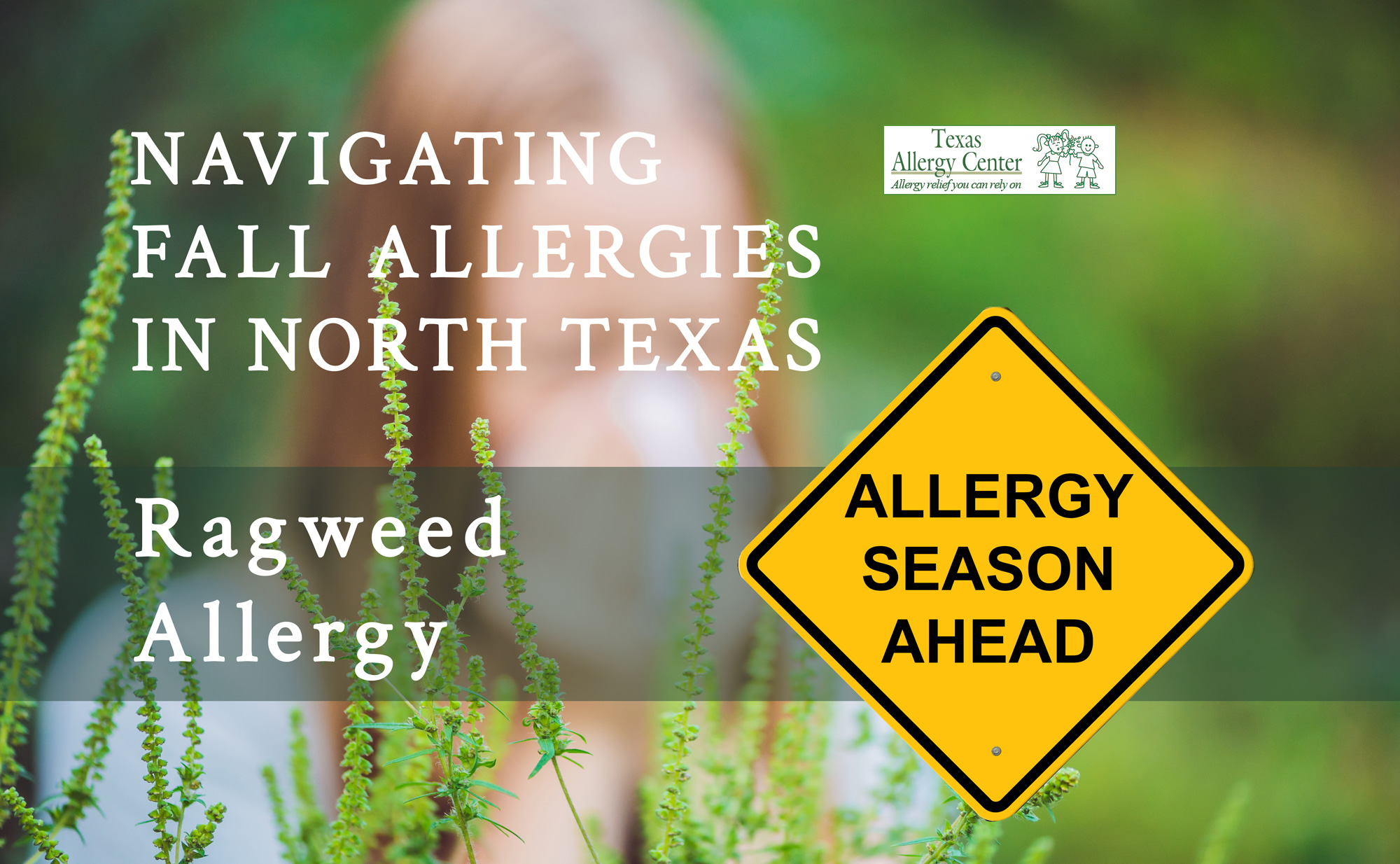
    Texas Allergy Center Helps You Navigate Fall Allergies in North Texas: Ragweed Allergy

    north texas dallas dr jane lee ragweed pollen allergy

    Ragweed pollen may be a seasonal nuisance in Texas, but understanding its characteristics and effects can help prevent allergic reactions. By staying informed, practicing allergen-reducing strategies, and partnering with an allergist, Texans can better navigate the ragweed season and enjoy life without the constant threat of ragweed allergy.

    Ragweed affects millions of Texans annually, triggering allergic reactions and making life challenging. Scientifically known as Ambrosia artemisiifolia, it is a flowering plant native to North America. It thrives in various environments, from roadside ditches to open fields, and is particularly prolific in Texas due to the state’s diverse landscapes and favorable climate.

    Texas Allergy Center Dallas Dr. Jane Lee

    A single ragweed plant can produce up to a billion pollen grains in a single season. The grains are light and easily airborne, allowing them to travel great distances on the wind. This dissemination is why ragweed pollen levels can be high even in urban areas far from its natural habitat. 

    Ragweed season in Texas typically spans from late summer to early fall, peaking in August and September. The warm climate and extended growing season allow ragweed plants to thrive and release copious amounts of pollen. This period coincides with the start of the school year, making it particularly challenging for students and educators alike.

    Common ragweed allergy symptoms include sneezing, runny or congested nose, itchy or watery eyes, and even exacerbation of asthma symptoms.

    While it’s impossible to completely eliminate ragweed pollen, we offer these tips for Texans to manage its impact:

    Our board-certified allergist and highly trained staff are here to help you enjoy being outdoors in Texas. We will address questions and concerns, and then find treatment and care that is right for you! Get started today.

  • NEW LOCATION NOW OPEN

    NEW LOCATION NOW OPEN

    allergy allergies allergist dallas dr lee

    TO SCHEDULE AN APPOINTMENT AT EITHER LOCATION, CALL OUR OFFICE DURING NORMAL BUSINESS HOURS, MONDAY THROUGH FRIDAY 214-370-5700.

    Our new location is now open!

    Call to schedule your appointment for either location.

    CLINIC & INJECTION HOURS OF OPERATION
    New Location!
    TOLL HILL PLAZA (WEST) 5310 Harvest Hill
    Suite 120
    Dallas TX 75230
    Monday – closed
    Tuesday – closed
    Wednesday – 8am to 5pm *INJECTIONS ONLY
    Thursday – closed
    Friday – closed
    Saturday – 9am to 1pm *INJECTIONS ONLY
    TOM LANDRY CENTER
    411 North Washington Ave.
    Suite 2400 (In Tom Landry Center)
    Dallas, TX 75246
    Monday: 8 a.m. to 5 p.m.
    Tuesday & Thursday: 8 a.m. to 6 p.m.
    Friday: 8 a.m. to 3 p.m.
  • NEW LOCATION OPENING JUNE 12TH

    NEW LOCATION OPENING JUNE 12TH

    allergy asthma dr lee dallas texas

    We are excited to announce the GRAND OPENING for our new location will be June 12TH.  You are invited to join us in celebration! 

    Call to schedule your appointment for either location.

    CLINIC & INJECTION HOURS OF OPERATION
    New Location!
    TOLL HILL PLAZA (WEST)
    5310 Harvest Hill
    Suite 120
    Dallas TX 75230
    Monday: 8 a.m. to 5 p.m.
    Friday: 8 a.m. to 3 p.m.
    TOM LANDRY CENTER
    411 North Washington Ave.
    Suite 2400 (In Tom Landry Center)
    Dallas, TX 75246
    Monday: 8 a.m. to 5 p.m.
    Tuesday & Thursday: 8 a.m. to 6 p.m.
    Friday: 8 a.m. to 3 p.m.