Tag: allergy

  • Celebrating Asthma and Allergy Awareness Month

    Celebrating Asthma and Allergy Awareness Month

    May is a time for sunny days, warmer weather, trees budding, and flowers blooming. It is also the month to raise awareness about asthma and allergies. Asthma and Allergy Awareness Month is a crucial time to educate, advocate for, and support those affected by these conditions.
    Since 1984, the Asthma and Allergy Foundation of America (AAFA) has declared May “National Asthma and Allergy Awareness Month.” Over 65 million individuals in the U.S. have allergies and asthma. Although no cure is available, allergies or asthma are managed with appropriate treatment and prevention.
    Asthma and Allergy Awareness Month is a time for the community to support, educate, and advocate for those affected by these conditions. Raising awareness and taking action can create a world where asthma and allergies are better understood and managed.
    For more information on allergies and asthma treatments, call today to schedule an appointment at Texas Allergy Center with Dr. Jane Lee for a proper diagnosis and personalized treatment options. Stay informed, be proactive, and take control of your allergies and asthma!
    Call 214-370-5700 
  • Enjoying Outdoor Events With Allergies

    Enjoying Outdoor Events With Allergies

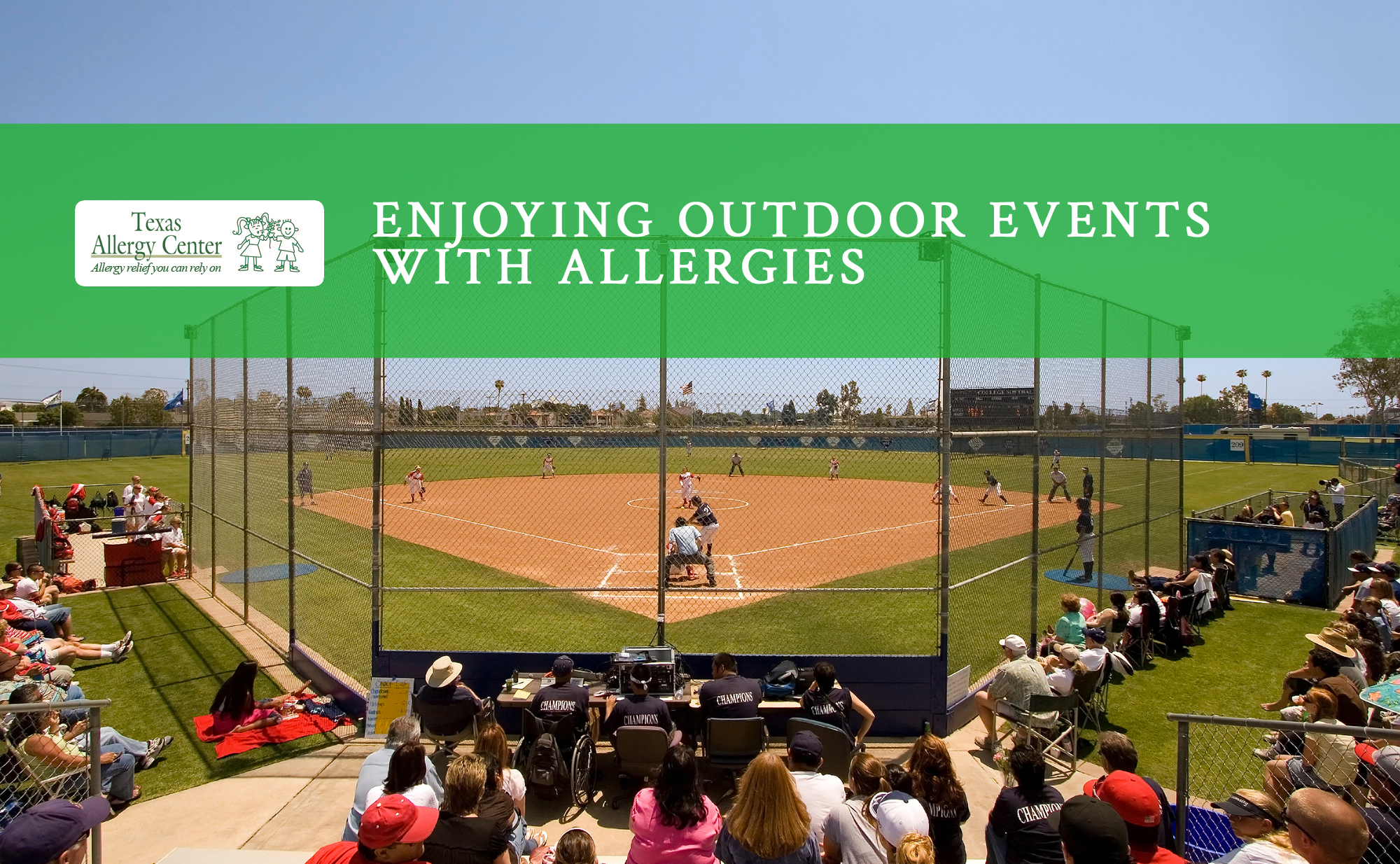
    Spring and summer bring outdoor events, from music festivals to picnics in the park. As the weather warms up and flowers bloom, many look forward to spending more time outdoors. However, these events can also have some challenges for many allergy sufferers, which may dampen their enjoyment of being outside. The pollen count rises, insects buzz around, and ground dust triggers allergic reactions. If you’re one of the millions who suffer from allergies but don’t want to miss out on the fun, we have some tips that may help you enjoy outdoor events to the fullest.

    • Check the Pollen Forecast: Before heading out, check the pollen forecast for the day and stay informed about pollen forecasts in your area. Schedule outdoor activities on days when pollen counts are lower to minimize exposure.
    • Wear Appropriate Clothing: When attending outdoor events, wear long sleeves, pants, and a hat to minimize skin exposure to pollen. Sunglasses can also help protect your eyes from pollen, or a mask to help filter out allergens. After spending time outdoors, shower and change your clothes to remove any pollen that may have settled on your body and clothing.
    • Stay Hydrated: Drinking plenty of water can help thin mucus secretions, making it easier to clear your nasal passages. Consistently take your prescribed allergy medication as directed by your healthcare provider to help alleviate symptoms and make outdoor activities more enjoyable.
    • Know When to Seek Help: If you experience severe allergic reactions, such as difficulty breathing, swelling of the face or throat, or a rapid heartbeat, seek medical help immediately. Plan for emergencies and always carry your prescribed medications and an epinephrine auto-injector with you.
    By taking these precautions, you can minimize your exposure to allergens and enjoy outdoor events without the fear of triggering allergic reactions. You can make the most of the beautiful outdoor season ahead with proper planning and care. Call today to schedule an appointment at Texas Allergy Center with Dr. Jane Lee for a proper diagnosis and personalized treatment options. Stay informed, be proactive, and take control of your allergies and asthma! 214-370-5700
  • Texas Allergy Center Tips for Spring Travel

    Texas Allergy Center Tips for Spring Travel

    Whether exploring destinations near or away from home, traveling during springtime can be challenging for those with allergies. Here are some tips to help you manage spring allergies during spring trips so you can make the most of your trip without the sniffles and sneezes.
    Research Your Destination
    Before you travel, research the pollen levels and common allergens for the local area you’ll be visiting. This information can help you prepare and pack accordingly.
    Pack Smart

    Pack any necessary allergy medications in your carry-on luggage, such as antihistamines or nasal sprays. This way, you’ll have them readily available during your journey.

    Plan Outdoor Activities Wisely
    If you know you’re allergic to certain pollens, plan outdoor activities when pollen counts are lower, such as early morning or late afternoon.
    Use Allergy-Proof Products
    To minimize exposure to allergens in your accommodation, consider using allergy-proof products, such as pillowcases and mattress covers.
    Stay Hydrated

    Staying hydrated can help thin mucus secretions and reduce congestion, which can help manage allergy symptoms.

    Avoid Certain Foods
    Some foods, such as certain fruits and vegetables, can worsen pollen allergies due to cross-reactivity. Avoiding these foods may help alleviate symptoms.
    Keep Windows Closed
    While opening windows to let in fresh air may be tempting, it can also let in pollen. Keep windows closed and use air conditioning instead.
    Consider Allergy Shots
    If you frequently travel during allergy season, consider allergy shots (immunotherapy) to help reduce your sensitivity to allergens.
    Consult Doctor Jane Lee
    If you’re planning a trip and have concerns about your allergies, consult with us to be prepared. We’ll offer personalized advice and recommend appropriate medications.
    Be Prepared for Emergencies
    Ensure you know how to access medical care at your destination in case of a severe allergic reaction.
    spring break allergy asthma dr. jane lee
    By taking these precautions and proactively managing your allergies, you can enjoy your travels during springtime and make the most of your break. If you’re unsure and have questions, call today to schedule an appointment at Texas Allergy Center with Dr. Jane Lee for a proper diagnosis and personalized treatment options. Stay informed, be proactive, and take control of your allergies and asthma! 214-370-5700
  • Texas Allergy Center Helps You Manage Food Allergies During The Holiday Season

    Texas Allergy Center Helps You Manage Food Allergies During The Holiday Season

    The holiday season is a time of joy, celebration, and delicious meals. However, for those with food allergies, the festivities can also bring a sense of anxiety and caution. Food takes center stage for Christmas, and managing food allergies becomes crucial to ensure a safe and enjoyable holiday experience. Let’s explore practical tips and strategies to navigate the Christmas season while keeping food allergies in check.

    Communication is Key

    Open and honest communication is essential when attending holiday gatherings or sharing meals with family and friends. Inform your host or hostess about your food allergies well in advance, providing them with a list of specific allergens to avoid. Most people are more than willing to accommodate dietary restrictions; this proactive approach helps create a safer environment for everyone.

    Host Your Allergy-Friendly Feast

    Take charge of the menu by hosting a Christmas gathering at home. This way, you have complete control over the ingredients used in the dishes, reducing the risk of accidental exposure to allergens. Consider sharing recipes or cooking tips with friends and family to make the process smoother and ensure everyone can enjoy a delicious, allergy-friendly meal.

    Read Labels and Ingredients

    When shopping for ingredients or pre-packaged holiday treats, make it a habit to read labels and ingredient lists carefully. Manufacturers may change formulations, and cross-contamination risks can vary between brands. Consistently checking labels helps you make informed choices and avoid potential allergens.

    Prepare Safe Alternatives

    Whether attending a potluck or hosting a Christmas dinner, preparing allergy-friendly alternatives ensures you have safe options. Experiment with allergen-free recipes or adapt traditional dishes to suit your dietary needs. Many resources online provide creative and tasty recipes catering to various food allergies.

    Educate Others

    Use the holiday season to educate those around you about food allergies. Share information about common allergens, symptoms of an allergic reaction, and the importance of cross-contamination prevention. Increased awareness can lead to a more supportive and understanding environment for individuals with food allergies.

    Carry Medication

    Always have your prescribed medication, such as an epinephrine auto-injector, with you, especially during social events involving food. Inform your friends and family about where you keep your medication and how to use it in an emergency. Being prepared can provide peace of mind and swift action if needed.

    Allergy Free Zone

    When attending events at other people’s homes, identify an area to comfortably enjoy the festivities without worrying about allergen exposure, which may involve choosing a seat away from the food table or asking the host about the preparation methods of specific dishes.
    Food Allergy Texas Dr. Jane Lee

    With proper planning, communication, and awareness, managing food allergies during Christmas can be a manageable and stress-free experience. Taking control of your dietary needs and fostering understanding within your social circle can ensure a safe and joyous holiday season filled with delicious, allergy-friendly delights. Remember, preparation, communication, and a dash of festive spirit are critical to a successful and allergy-safe Christmas celebration.


    Our board-certified allergist and highly trained staff are here to help you find relief with the proper treatment and care. Call 214-370-5700 to schedule your appointment and be prepared for the festivities!

  • Texas Allergy Center Helps You Navigate Fall Allergies in North Texas: Cedar Elm Allergy

    Texas Allergy Center Helps You Navigate Fall Allergies in North Texas: Cedar Elm Allergy

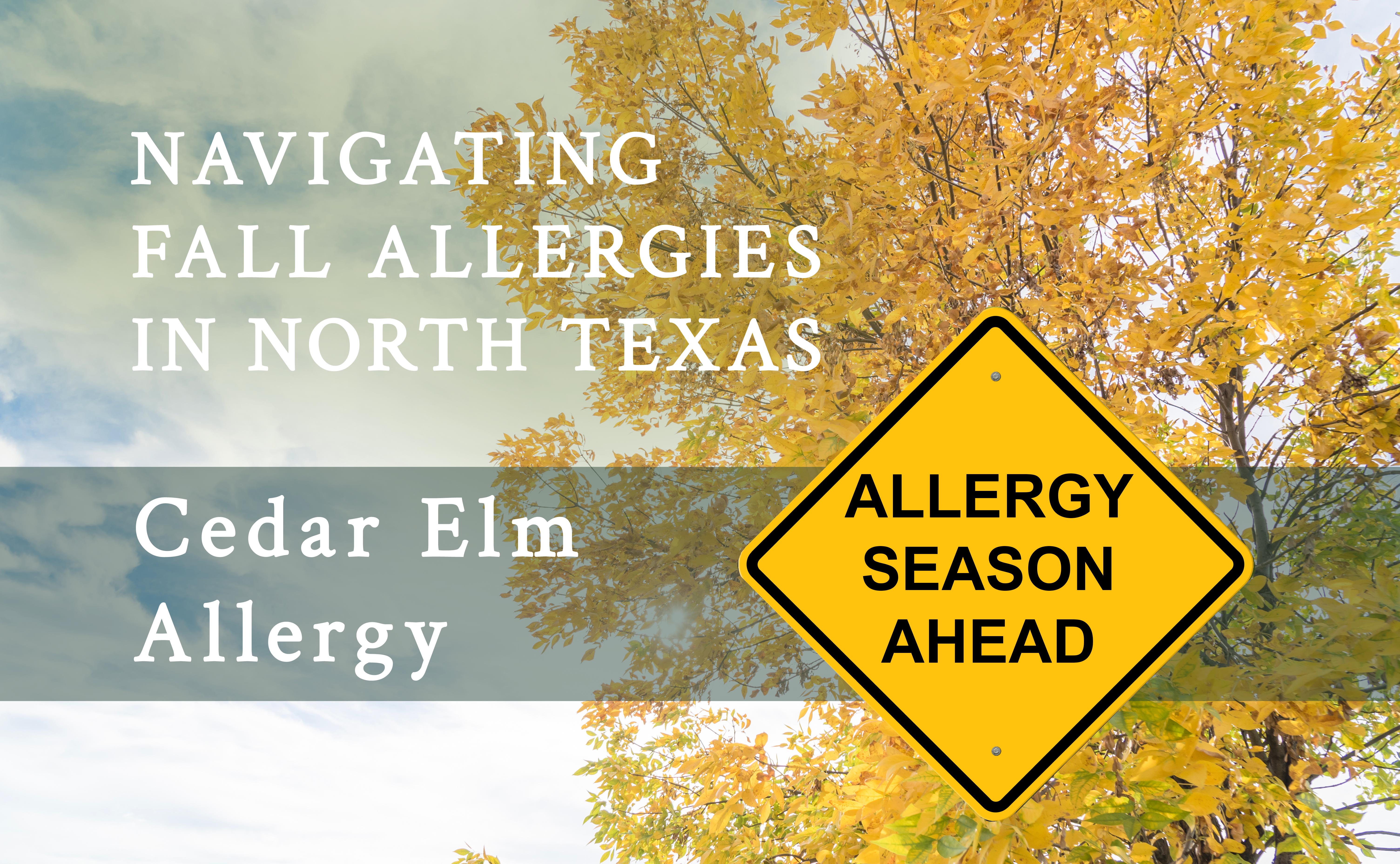
    For some individuals, the changing seasons bring an unwelcome companion: allergies. Cedar elm, a common tree found in North Texas, is a notorious allergen source. Cedar elm allergies can put a damper on your enjoyment of the outdoors. 

    Cedar elm, scientifically known as Ulmus crassifolia, is a deciduous tree native to the central and southwestern United States. It is often admired for its slender branches, serrated leaves, and adaptability to a variety of soil types. Cedar elm is especially prevalent in Texas but can be found in other regions with a warm, temperate climate. Unfortunately, its pollen is notorious for triggering allergic reactions in many people. 

    Let’s explore cedar elm allergies, including symptoms, management strategies, and tips for prevention.

    Symptoms of Cedar Elm Allergies

    Cedar elm allergies are primarily associated with the inhalation of pollen released by the tree. When individuals sensitive to cedar elm pollen come into contact with it, they may experience a range of allergy symptoms, including:

    Management and Treatment

    While cedar elm allergies can be uncomfortable, there are several strategies for managing and alleviating symptoms. Consider the following approaches:

    cedar elm allergy north texas dr jane lee

    Prevention Tips

    Preventing cedar elm allergies begins with understanding the tree’s pollen season and taking proactive measures:

    cedar elm allergy allergies dr jane lee allergist
    Through proper management and prevention, you can minimize the impact of this common allergen. If you suspect you have cedar elm allergies, contact us to receive a proper diagnosis and develop an effective plan to alleviate your symptoms. With the right strategies, you can enjoy the outdoors without the inconvenience of cedar elm allergies.

    Our board-certified allergist and highly trained staff are here to help you find relief. We will address questions and concerns, and then find treatment and care that is right for you! Get started today.

  • When To Introduce Allergens

    When To Introduce Allergens

    Introducing allergens to a baby is scary whether you are a first time or seasoned parent. If you have food allergies yourself, you may be extra nervous about introducing them to your baby. Luckily, there is some new guidance from the National Institute of Allergy and Infectious Diseases to help you determine your baby’s risk for developing a food allergy. Guidelines 1, 2 and 3 below will help you determine which category of risk your baby falls into. For children with none of the above identified risk factors, the top 9 allergens should be introduced around 6 months when solid foods are started.

    Tips for introducing baby food allergens

    There are several things that can set you up for success when introducing allergenic foods to your baby.

      1. Introduce allergenic foods when your baby is feeling well (no illness or fever present) you don’t want to question if your baby is having a reaction to an allergenic food or if it was due to whatever they were already fighting off. 
      2. Offer one allergenic food at a time so you can identify if a reaction occurs. You don’t have to wait several days, but it’s ideal to wait at least until the next meal or the next day to introduce a new allergen. Most true allergies create a reaction within minutes to hours.
      3. Set aside at least 2 hours after the first taste to watch your baby for a reaction. Make sure you or another family member can give full attention to your baby.
      4. Wait 10 minutes between the first and second taste. If your baby does not have any reaction after 10 minutes, may give more.

    Safety when introducing allergens to baby

    When you give your baby any of the 9 baby food allergens for the first time, you’ll watch out for any signs of an allergic reaction.
    Common signs include redness or hives on the skin or face, tummy upset, vomiting, or diarrhea. Talk to your child’s healthcare provider right away if a reaction occurs. If a severe allergic reaction such as difficulty breathing or loss of consciousness occurs, dial 911 immediately and seek medical attention.

    What are the new recommendations for introducing peanut to baby

    The new guidelines recommend that before 11 months of age, all infants should start eating age-appropriate peanut-containing foods. The ideal age is closer to six months. 

    Guidelines for introducing peanuts depend of baby’s risk of peanut allergy

      1. Severe eczema, egg allergy or both: This group is at higher risk to develop peanut allergy and benefits the most from early introduction. An allergist should evaluate peanut senistization (by skin test or blood IgE test) before introduction of peanuts. If negative, peanut should be introduced regularly in baby’s diet. If positive, the allergist will determine next steps. 
      2. Mild to moderate eczema: These infant do not need any testing and should be introduced to age-appropriate peanut containing foods as early as 4 to 6 months of age. Some allergist may desire an in-office supervided feeding. 
      3. No h/o of food allergy: These infants do not need any testing and can be introduced to age0appropriate peanut-containing foods at home. 

    Peanut Recipe for babies

    Option 1: Peanut butter puree
    You will need:
    • 2tsp. smooth, all natural peanut butter (with no added ingredients)
    • 2-3 tbso. Of plain yogurt pureed (smooth) fruit or vegetable that your baby likes

    1. Mix peanut butter and yogurt or fruit vegetable puree. Add more water if you want to the puree to be thinner.

    Option 2: Peanut butter powder sauce
    You will need:
    • 2tsp. powdered peanut butter or peanut flour
    • 2-3 tbsp. of warm water, oatmeal, applesauce or mashed banana

    1. Mix peanut butter or peanut flour with the warm, oatmeal, applesauce or banana.
    2. Let the mixture cool.
    3. Add more water if you want the mixture to be thinner.

    Option 3: Bamba peanut butter puffs
    You will need:
    • 21 Bamba peanut butter puffs
    • For babies aged 7 months and under, soften puffs in 4-6 tbsp. of water. Feed your baby one puff at a time.
    • For babies older than 7 months or who can eat dissolvable solids, feed one puff one at a time as normal.

    How to introduce tree nuts to baby

    Introducing tree nuts to baby is very similar to introducing peanut protein. In fact, you can follow almost all of the same ideas but instead of using creamy peanut butter, you can use creamy almond or cashew butter. You can find both in most grocery stores. 

    If you can’t find a tree nut you want to try out in creamy nut butter form, you can turn most nuts into a powder using a food processor, make sure it is a fine powder so it can dissolve well into food you mix it into.

    Tree nuts to try out with your baby

    Often these in creamy nut butter or powder form mixed into other foods, do not give your baby whole nuts or nut pieces which can be a choking hazard.

    • Almond butter
    • Cashew butter
    • Hazelnut butter (don’t use Nutella)
    • Pecans
    • Walnuts
    • Pistachios
  • Why Are Food Allergy Cases Increasing For Adults And Children?

    Why Are Food Allergy Cases Increasing For Adults And Children?

    Food allergies are becoming increasingly common in both children and adults. Approximately one in 12 children and one in 10 adults suffer from food allergies. We now believe some of our previous guidelines for delaying the introduction of allergenic foods into a baby’s diet caused an increase in food allergies.

    Gone are the days of waiting until your baby is 1 or 2 years old to try a potentially allergenic food. The most recent evidence-based data suggests that early introduction of allergenic foods is the way to prevent development of food allergies. Infant immune systems are malleable, and the first few months of life are critical for calibrating an immune system’s response to foods.

    Baby Food Allergy vs. Food intolerance

    Food Intolerance is different from a food allergy, although many people confuse the two. Food Intolerances usually produce uncomfortable symptoms but are not life-threatening. No Immune response occurs with a food intolerance. One common intolerance is lactose intolerance (lactose is a natural sugar found in dairy products.)

    Baby Food Allergens – “The Big 9”

    Most allergic reactions are caused by the proteins found in 9 different types of food. These are known as The Big 9 Allergens. They are:

    • Peanuts
    • Tree Nuts
    • Eggs
    • Wheat
    • Fish
    • Shellfish
    • Dairy
    • Soy
    • Sesame


    Many kids will outgrow their food allergies by their teen years, but this isn’t always the case. The most commonly outgrown allergies are milk, soy, egg, and wheat. Fish, shellfish, peanut, and treenut allergies often last into adulthood.

    Important research in the past 15 years has changed our recommendations about when to introduce allergen-containing food to babies. The LEAP study, the LEAP-on study and the EAT study are three key research studies that have shaped the new guidelines on introducing allergens.

    These studies showed that introducing allergen-containing foods, like peanut and egg, before the age of 12 months actually helps to prevent food allergies in children.

    Similarly, the EAT study showed that children who ate high allergen foods like cow’s milk, peanut, hard-boiled eggs, sesame, fish, and wheat early in life had fewer food allergies develop than those who did not.

    Based on the current research, we can reduce the likelihood of a child developing a food allergy by serving these foods before they reach 12 months of age.

    Our board-certified allergist and highly trained staff are here to help you navigate food allergies. We will address questions and concerns, and then find treatment and care that is right for you! Get started today.

    Jane Lee, M.D. sheds light on recent innovation in the treatment of food allergies. Read more from Dr. Jane Lee at D Magazine

    Jane Lee, M.D. sheds light on recent innovation in the treatment of food allergies.


    READ MORE from Dr. Jane Lee at D Magazine
  • Texas Allergy Center Helps You Navigate Fall Allergies in North Texas: Grass Allergy

    Texas Allergy Center Helps You Navigate Fall Allergies in North Texas: Grass Allergy

    As the vibrant colors of summer give way to the golden hues of autumn in North Texas, many people look forward to cooler temperatures and outdoor activities. However, for individuals who suffer from grass allergy, the fall season can bring a new set of challenges. Various grasses release their pollen, triggering allergic reactions in susceptible individuals creating a common problem in our region of the Lone Star State. Let’s explore the causes, symptoms, and management strategies for grass allergy during the fall season.

    Grass allergies, also known as hay fever or allergic rhinitis, are allergic reactions triggered by pollen from grasses. In Texas, numerous grass species release pollen particles into the air during the fall months. When people with grass allergies come into contact with these pollen particles, their immune systems may overreact.

    As the temperatures become milder and more pleasant, people tend to spend more time outdoors. Unfortunately, this means increased exposure to airborne grass pollen. Additionally, the dry and windy conditions that often characterize the fall season can further facilitate the spread of pollen throughout the air, increasing the likelihood of allergic reactions.


    COMMON SYMPTOMS

    The symptoms of grass allergy can range from mild to severe and can greatly impact an individual’s quality of life. Common symptoms include:

    • Sneezing and Runny Nose: Sneezing is one of the most common signs of grass allergy. Along with sneezing, individuals may experience a runny or congested nose.
    • Itchy, Watery Eyes: Allergic rhinitis often leads to itchy, red, and watery eyes, which can cause discomfort and affect vision.
    • Coughing and Wheezing: For those with asthma or a history of respiratory issues, exposure to grass pollen can trigger coughing, wheezing, and shortness of breath.
    • Fatigue and Irritability: Chronic allergy symptoms can lead to sleep disturbances, leaving sufferers feeling fatigued and irritable.

    MANAGEMENT AND PREVENTION

    While complete avoidance of grass pollen is challenging, there are several strategies individuals can adopt to minimize exposure and alleviate symptoms:

    • Monitor Pollen Counts: Keep track of daily pollen counts. Adjust outdoor activities based on these counts.
    • Stay Indoors: On days when pollen counts are high, consider staying indoors, especially during the early morning and evening when pollen levels tend to be highest.
    • Keep Windows Closed: Use air conditioning instead of opening windows to keep pollen from entering your living spaces.
    • Personal Care: Shower and change clothes after spending time outdoors to remove any lingering pollen particles from your body and hair.
    • Allergy Testing and Immunotherapy: Consult an allergist for testing to identify specific allergens. Allergy shots or sublingual tablets can be prescribed to gradually desensitize the immune system to allergens.
    Understanding the triggers, symptoms, and management strategies for grass allergy is essential for effectively navigating this allergy season. By staying informed and adopting preventative measures, individuals can better enjoy the splendor of autumn in Texas while minimizing the impact of grass allergies on their health and well-being.

    Our board-certified allergist and highly trained staff are here to help you enjoy being outdoors in Texas. We will address questions and concerns, and then find treatment and care that is right for you! Get started today.